

The Moscow Mule is one of those rare cocktails that feels both timeless and effortlessly modern. With its crisp, spicy kick and signature copper mug, it has become a staple in bars worldwide, evoking images of lively gatherings and refreshing sips on warm evenings. But what’s in a Moscow Mule, exactly, and how did this simple mix of ingredients capture the imagination of drinkers for over eight decades?
Far from its Russian-sounding name, the Moscow Mule was born in the United States during the early 1940s. Its creation is a tale of clever marketing, surplus stock, and happy accident – a story that reflects the ingenuity of the American cocktail scene at a time when vodka was still a relatively unfamiliar spirit outside immigrant communities. Today, it remains a favourite for its bold yet balanced flavour, proving that sometimes the best drinks come from the most straightforward combinations.
The Origins of the Moscow Mule
The Moscow Mule emerged around 1941, amid the challenges of World War II. Two key figures are central to its story: John G. Martin of G.F. Heublein Brothers, who had recently acquired the Smirnoff vodka brand, and Jack Morgan, owner of the Cock ‘n’ Bull restaurant in Hollywood and producer of Cock ‘n’ Bull ginger beer.
Accounts of the exact birthplace vary slightly. One popular version places the invention at the Chatham Hotel bar in New York, where Martin, Morgan, and Rudolph Kunett (president of Smirnoff’s vodka division) experimented with mixing vodka, ginger beer, and lime. Another credits Wes Price, the head bartender at the Cock ‘n’ Bull, with creating the drink to clear out unsold inventory of both vodka and ginger beer. Whichever tale one prefers, the result was the same: a refreshing, zesty cocktail that quickly gained traction.
The name “Moscow Mule” nods to the vodka’s Russian heritage while pairing it with the “mule” kick of the spicy ginger beer. It was a smart branding choice in an era when vodka needed a boost in the American market.
What’s in a Moscow Mule: The Classic Recipe
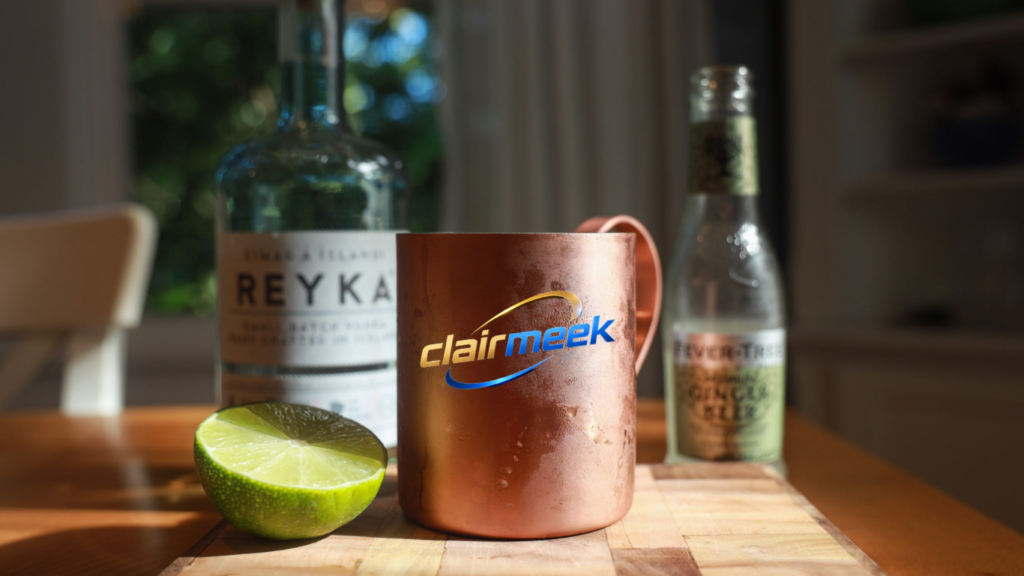
At its heart, the Moscow Mule is delightfully simple, requiring just three core ingredients. A standard recipe calls for:
- 45 ml (about 1.5 oz) vodka
- 10 ml (about ⅓ oz) fresh lime juice
- 120 ml (about 4 oz) ginger beer
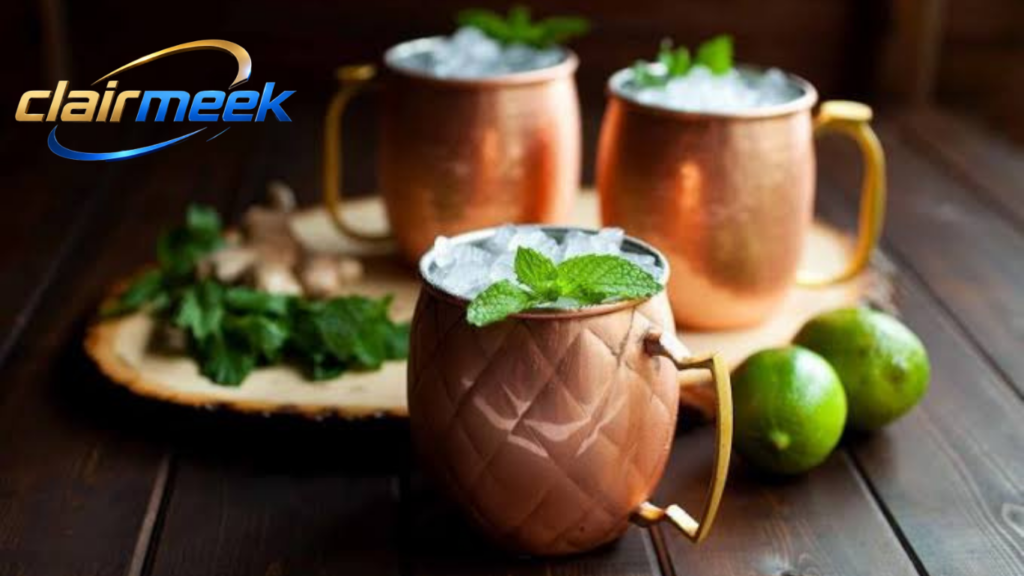
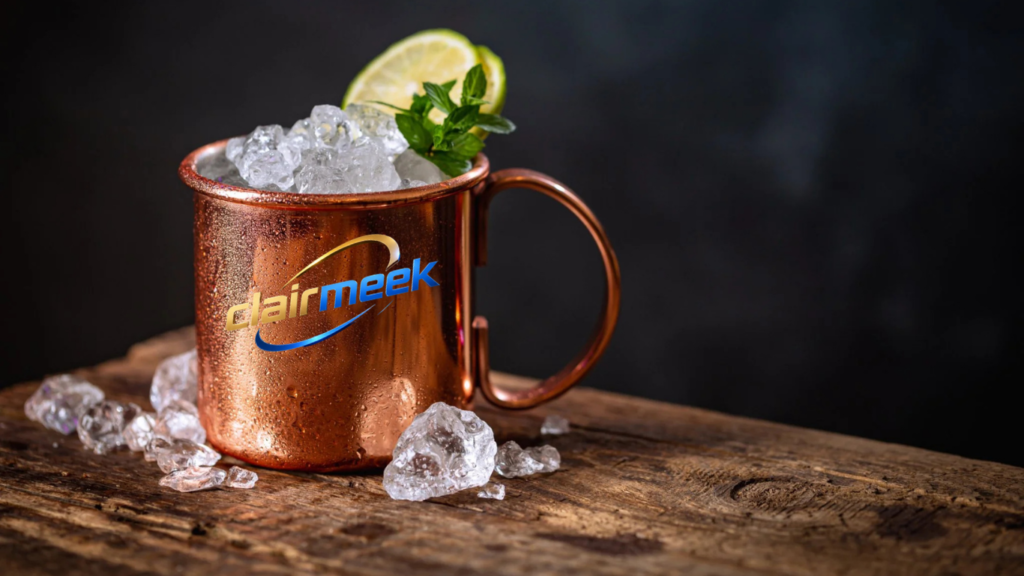
The drink is typically built in a copper mug filled with ice, gently stirred, and garnished with a slice or wedge of lime. The copper vessel is more than aesthetic; it enhances the drinking experience by staying frosty cold.
Quality matters with each component. A neutral, high-quality vodka allows the ginger beer’s spice and the lime’s acidity to shine. Ginger beer – not ginger ale – provides the essential fiery bite. Fresh lime juice is non-negotiable for brightness and balance. Many enthusiasts recommend a ratio that leans heavier on the ginger beer for a longer, more refreshing drink.
The Iconic Copper Mug and Its Role
No discussion of what’s in a Moscow Mule would be complete without mentioning its signature serving vessel. The copper mug became inseparable from the cocktail thanks to marketing efforts by John Martin. He famously used one of the earliest Polaroid cameras to photograph bartenders holding a bottle of Smirnoff vodka and a copper mug, leaving prints behind as proof of the drink’s growing popularity as he travelled across the US.
The mugs themselves have an interesting backstory. Sophie Berezinski, a Russian immigrant, reportedly brought copper mugs from her father’s factory to the US in search of a market. They found their perfect partner in the Moscow Mule.
Note on safety: Traditional solid copper mugs can pose a minor risk with acidic drinks like the Moscow Mule, as copper may leach into the beverage. Many modern mugs are lined with stainless steel or another food-safe material to mitigate this, in line with health guidelines.
Rise to Popularity and Cultural Impact
The Moscow Mule gained momentum in Los Angeles and spread across America in the 1940s. It helped popularise vodka at a time when gin and whiskey dominated. By the mid-20th century, it had earned a place among notable mixed drinks, even appearing in cultural references like Edward O. Thorp’s Beat the Dealer.
Its revival in the 21st century came with the craft cocktail renaissance and the rise of social media. The photogenic copper mug made it ideal for Instagram, contributing to a surge in popularity during the 2010s. Bartenders appreciated its simplicity, while drinkers loved its versatility.
Variations on the Moscow Mule Theme
The success of the original inspired countless adaptations, often swapping the vodka for another spirit while keeping the ginger beer and lime base. Common variations include:
- Kentucky Mule: Bourbon instead of vodka
- Mexican Mule: Tequila
- Irish Mule: Irish whiskey
- Gin-Gin Mule (or London Mule): Gin
Other creative twists incorporate flavoured vodkas, additional juices, herbs, or even non-alcoholic versions for broader appeal. These “mule” drinks demonstrate the template’s flexibility.
Serving Tips and Modern Twists
For the best results at home, chill your copper mug beforehand, use plenty of ice, and opt for a spicy ginger beer. Some bartenders add a dash of bitters or experiment with garnishes like mint or cucumber for a fresh take.
The Moscow Mule pairs well with a variety of foods, from spicy Asian dishes to grilled meats and light appetisers. Its balance of sweet, sour, and spicy makes it a crowd-pleaser at parties and casual get-togethers alike.
Quick Facts
| Detail | Information |
| Full Name | Moscow Mule |
| Date of Creation | Circa 1941 |
| Place of Origin | United States (New York/Hollywood) |
| Primary Ingredients | Vodka, ginger beer, lime juice |
| Signature Serve | Copper mug |
| Years Active | 1941–present |
| Known For | Refreshing spice, iconic mug, vodka popularisation |
| Variations | Numerous “mule” cocktails |
Legacy and Lasting Appeal
The Moscow Mule’s enduring popularity lies in its simplicity and the story behind it. It transformed vodka from a niche spirit into a mainstream favourite and showed how effective storytelling and presentation can elevate a drink. In an age of complex, ingredient-heavy cocktails, its minimalism feels refreshing.
Conclusion
It also highlights themes of innovation through necessity – turning surplus products into a classic. While trends come and go, the Moscow Mule continues to hold its own, adapting to new palates without losing its core identity.
What’s in a Moscow Mule goes beyond the ingredients; it’s a blend of history, ingenuity, and pure enjoyment. Whether you’re a cocktail enthusiast or simply looking for an easy-to-make drink, it delivers every time.