


Tricompartmental osteoarthritis represents one of the more advanced and challenging presentations of knee arthritis, where degenerative changes affect all three compartments of this vital joint. For many people, it begins subtly with occasional aches that gradually intensify, turning everyday movements into sources of discomfort. As one of the most common joint conditions worldwide, it draws significant attention from those seeking to maintain mobility and quality of life in later years.
What makes tricompartmental osteoarthritis particularly noteworthy is its comprehensive impact on the knee. Unlike forms limited to one or two areas, this condition involves the medial, lateral, and patellofemoral compartments, often leading to more noticeable effects on daily function. Yet, with informed management, many individuals continue to lead active lives.
What Is Tricompartmental Osteoarthritis?
The knee joint is a sophisticated structure comprising the femur (thigh bone), tibia (shin bone), and patella (kneecap). It is divided into three compartments:
- Medial compartment: The inner side where the femur meets the tibia.
- Lateral compartment: The outer side of the same meeting point.
- Patellofemoral compartment: The area between the kneecap and the femur.
Tricompartmental osteoarthritis occurs when cartilage wear and tear affects all three areas, resulting in bone-on-bone friction, inflammation, and structural changes. It is generally considered a more severe presentation than unicompartmental or bicompartmental osteoarthritis because the entire joint is involved.
Early Understanding and Background of the Condition
Osteoarthritis itself has been recognised for centuries, with descriptions appearing in ancient medical texts. Modern understanding of tricompartmental involvement emerged with advances in imaging and joint anatomy studies in the 20th century. The knee’s complex biomechanics make it particularly susceptible to progressive degeneration, especially as people live longer and remain active.
Risk factors include age (most common after 50), previous injuries, obesity, genetics, and repetitive stress from certain occupations or sports. While not every case of knee osteoarthritis progresses to the tricompartmental stage, factors like excess weight can accelerate uniform damage across the joint.
Symptoms and Daily Impact
Living with tricompartmental osteoarthritis often means dealing with a range of symptoms that evolve over time. Common experiences include:
- Persistent or activity-related knee pain.
- Morning stiffness that improves somewhat with movement.
- Swelling and tenderness.
- Reduced range of motion, making bending or straightening difficult.
- A grinding or crunching sensation (crepitus).
- Instability, buckling, or altered gait, sometimes leading to a bow-legged or knock-kneed appearance.
- Increased discomfort in cold or damp weather.
These challenges can affect walking, climbing stairs, or simply standing for long periods. Many people report that symptoms interfere with hobbies, work, and social activities, prompting them to seek effective strategies.
Diagnosis and Assessment
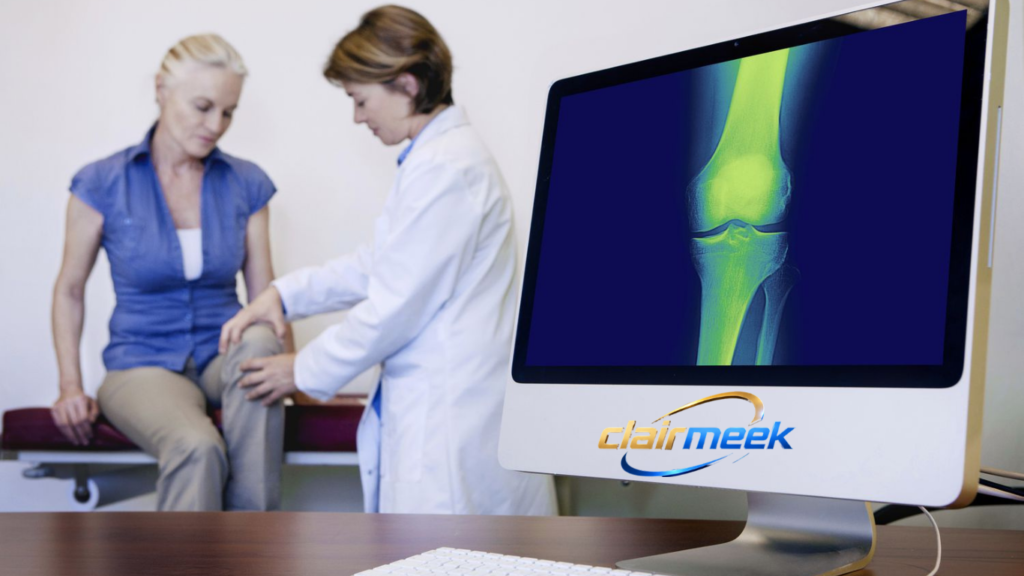
Doctors typically diagnose tricompartmental osteoarthritis through a combination of medical history, physical examination, and imaging. X-rays often reveal joint space narrowing, bone spurs (osteophytes), and other degenerative changes across all compartments. In some cases, MRI or other scans provide additional detail on soft tissues.
Early and accurate diagnosis is valuable, as it allows for proactive management before symptoms become debilitating.
Treatment Approaches: From Conservative to Advanced
There is no cure for tricompartmental osteoarthritis, but a wide array of options can significantly improve comfort and function. Treatment is usually stepwise, starting with non-invasive methods.
Lifestyle and Conservative Measures
Maintaining a healthy weight is one of the most effective interventions, as every extra kilogram adds stress to the knees. Low-impact exercises such as swimming, cycling, or tailored physiotherapy strengthen supporting muscles without excessive strain. Physical therapy, knee braces, and assistive devices like walking sticks can also provide support.
Heat and cold therapy, along with over-the-counter pain relief, offer additional relief for many.
Medical Management
When needed, doctors may prescribe stronger anti-inflammatory medications, corticosteroid injections, or viscosupplementation (hyaluronic acid injections). Lifestyle modifications remain central even alongside these.
Surgical Options
For severe cases where conservative treatments no longer suffice, total knee replacement (tricompartmental knee arthroplasty) is a common and highly successful procedure. It replaces damaged surfaces with artificial components, often restoring mobility and reducing pain dramatically. Partial replacements are less suitable when all compartments are affected.
Recovery from surgery involves rehabilitation, but many patients return to enjoyable activities within months.
Personal Challenges and Resilience
A diagnosis of tricompartmental osteoarthritis can feel overwhelming, particularly for those who have led active lives. Career setbacks, reduced independence, or the emotional toll of chronic pain are real for some. However, stories of adaptation abound—individuals who embrace physiotherapy, adjust their routines, and discover new ways to stay engaged.
Public awareness campaigns and patient advocacy have helped reduce stigma around joint conditions, encouraging earlier intervention.
Later Management and Current Perspectives
Today, research continues into better pain management, regenerative therapies, and improved implant designs for surgery. Many people with tricompartmental osteoarthritis manage well through a combination of medical care, exercise, and community support. Charity organisations focused on arthritis provide resources, education, and forums for sharing experiences.
Advancements in minimally invasive techniques and personalised rehabilitation are enhancing outcomes.
Quick Facts on Tricompartmental Osteoarthritis
| Detail | Information |
| Full Name | Tricompartmental Osteoarthritis |
| Primary Location | Knee joint (all three compartments) |
| Typical Onset | Often after age 50, can occur earlier with risk factors |
| Affected Population | Common in older adults; more widespread in those with obesity or prior injury |
| Key Characteristics | Degeneration in medial, lateral, and patellofemoral compartments |
| Main Management | Lifestyle changes, physiotherapy, medications, possible joint replacement |
| Prognosis | Manageable with appropriate care; surgery highly effective when needed |
Legacy and Lasting Impact
Tricompartmental osteoarthritis highlights the importance of joint health throughout life. It has driven innovations in orthopaedics, physiotherapy, and public health messaging around weight management and injury prevention. Its influence extends to how we view ageing—not as inevitable decline, but as a phase where proactive steps can preserve function and enjoyment.
Conclusion
Lessons from those living with the condition emphasise resilience, the value of movement, and the benefits of seeking professional guidance early.
tricompartmental osteoarthritis, while demanding, does not define a person’s potential for a fulfilling life. With the right combination of knowledge, support, and treatment, many navigate it successfully and continue pursuing the activities they love. Greater understanding continues to improve both prevention and management strategies.