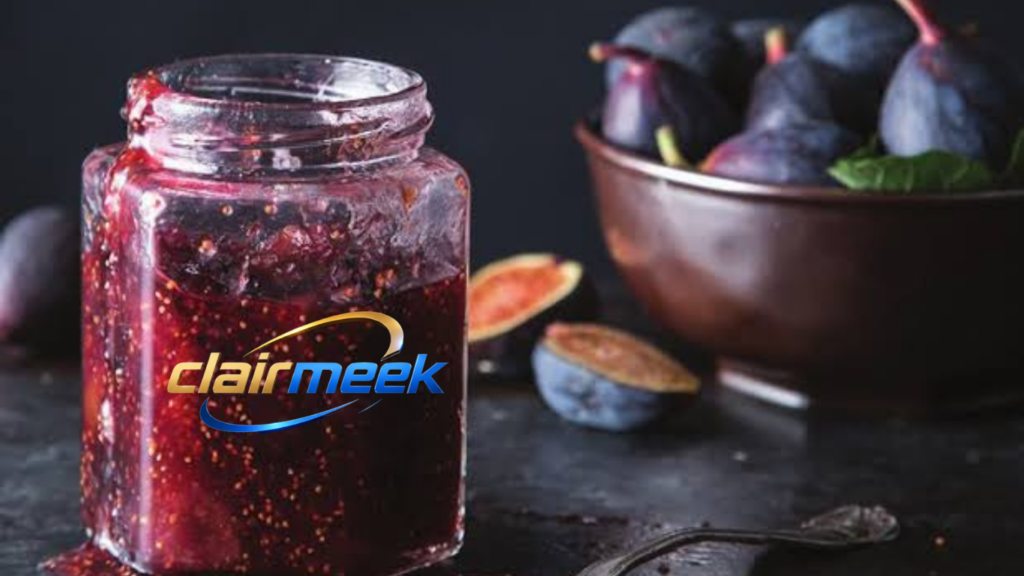

French fig jam, or confiture de figues, captures the essence of late summer in Provence, Corsica, and beyond. With its deep, jammy sweetness balanced by subtle floral notes and a hint of earthiness, this preserve transforms abundant fresh figs into something truly special. Whether spread generously on warm baguette, paired with a creamy goat’s cheese, or used as a glaze for meats, it brings a taste of French countryside kitchens to your table.
What makes French fig jam so enduringly popular? Beyond its versatility, it celebrates seasonal bounty in the simplest way. Home cooks across France have passed down recipes for generations, often tweaking them with local twists like a splash of orange blossom water or warming spices. This article explores the story behind the jam, shares an authentic yet approachable recipe, and offers tips to make your own batch unforgettable.
The Roots of French Fig Jam
Figs have deep roots in French culinary tradition, thriving in the sunny Mediterranean climate of southern regions. While figs originated in the Middle East and ancient Mediterranean civilisations, they found a welcoming home in France centuries ago. By the Middle Ages, areas around Marseille were notable for fig cultivation, and today Provence and Corsica remain synonymous with high-quality fruit.
In French homes, making jam is less about industrial precision and more about preserving the harvest. Families gather ripe figs—often a mix of green, purple, or brown varieties—and turn them into glossy pots that line pantry shelves. The process is meditative: the kitchen fills with the fragrant perfume of cooking fruit, evoking memories of grandmothers stirring copper basins.
Unlike mass-produced versions, homemade French fig jam lets the natural character of the figs shine. Figs are relatively low in pectin compared to some fruits, but their high sugar content helps them set beautifully with minimal intervention. Traditional recipes rely on patience and good fruit, while modern adaptations might incorporate a touch of citrus for brighter flavour and better structure.
Why Make Your Own French Fig Jam?
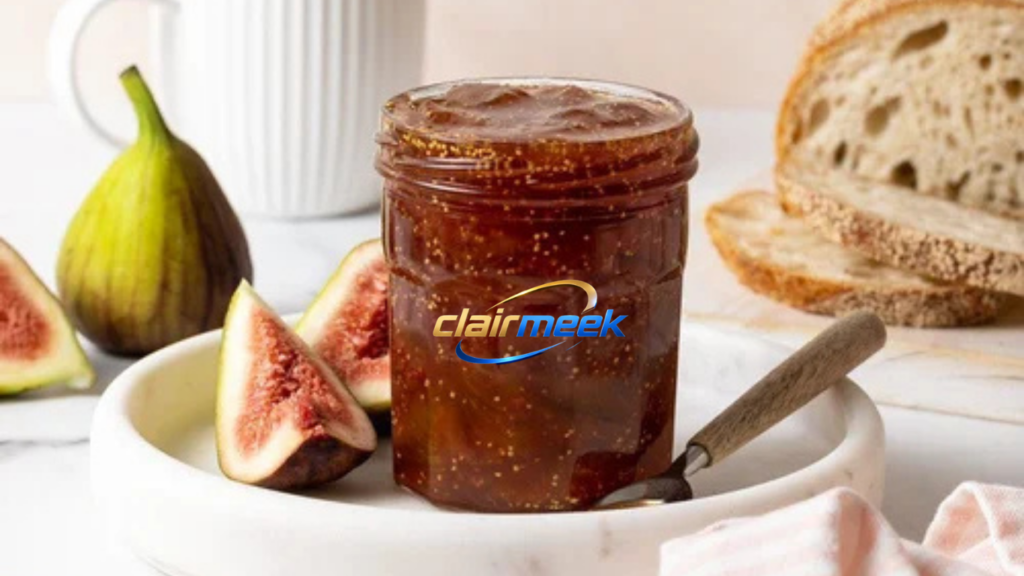
In an era of convenient supermarket options, taking the time to make fig jam at home offers rewards that go far beyond taste. You control the ingredients—no hidden additives or excessive sweeteners. Ripe, in-season figs deliver superior flavour and texture, with tender chunks suspended in a silky syrup.
Nutritionally, figs bring fibre for digestive health, antioxidants, potassium, and other minerals. While the jam is a treat rather than a health food, using less sugar than commercial varieties makes it a more balanced indulgence.
It also connects you to seasonal rhythms. Fig season peaks in late summer to early autumn, making it the perfect project when trees (or markets) overflow with fruit. One abundant harvest can yield enough jars to enjoy through winter, shared with friends or saved for special occasions.
Classic French Fig Jam Recipe
This recipe draws inspiration from traditional French and Corsican methods but keeps sugar moderate for brighter fig flavour. It yields about 4–5 jars (roughly 500–600ml each), depending on cooking time and fig juiciness.
Ingredients
- 1.5 kg fresh ripe figs (a mix of varieties works well; wash gently and remove stems)
- 400–500 g granulated sugar (adjust to taste; start lower for reduced-sugar version)
- Juice and zest of 2 unwaxed lemons (or 1 large orange for a Provençal twist)
- Optional: 1 vanilla pod (split), a small handful of chopped candied ginger, or a cinnamon stick
Method
- Prepare the figs: Quarter or roughly chop the figs, discarding any spoiled parts. Place in a large, heavy-based preserving pan or stainless-steel pot.
- Macerate: Add the sugar, lemon (or orange) zest and juice. Stir well, cover, and leave to sit for at least 2 hours (or overnight in the fridge). This draws out juices and begins dissolving the sugar.
- Cook the jam: Bring the mixture to a gentle boil over medium heat, stirring occasionally to prevent sticking. Skim off any foam that rises. If using aromatics like vanilla or ginger, add them now.
- Simmer to setting point: Reduce to a steady simmer and cook for 30–60 minutes, stirring more frequently as it thickens. The time varies with fig ripeness and desired consistency. Test the set by placing a small amount on a chilled saucer—if it wrinkles when pushed, it’s ready. Alternatively, use a jam thermometer (around 104–105°C).
- Jar it up: While hot, ladle into sterilised jars, leaving minimal headspace. Seal immediately, turn upside down for a few minutes to create a vacuum, then cool upright. Label with the date.
Storage: Unopened jars keep for up to 1–2 years in a cool, dark place. Once opened, refrigerate and use within a month.
For a smoother texture, blend briefly with a stick blender towards the end. For whole-fruit pieces, cook gently and stir less.
Tips for Perfect Results Every Time
Success with French fig jam comes down to a few key principles. Choose figs that are ripe but firm—overly soft ones can make the jam watery. A mix of varieties adds complexity: sweeter purple figs balance slightly tarter green ones.
Avoid aluminium pans, as they can react with the fruit acids. Copper or stainless steel are traditional and effective. Sterilising jars is non-negotiable for long shelf life—wash thoroughly, then heat in a low oven (around 140°C) for 10–15 minutes or boil them.
Common pitfalls include undercooking (runny jam) or overcooking (too stiff or caramelised). If it seems thin after the initial cook, return it to the heat and reduce further. Adding pectin-rich citrus helps achieve a lovely set without extra sugar.
Creative Variations on the Classic
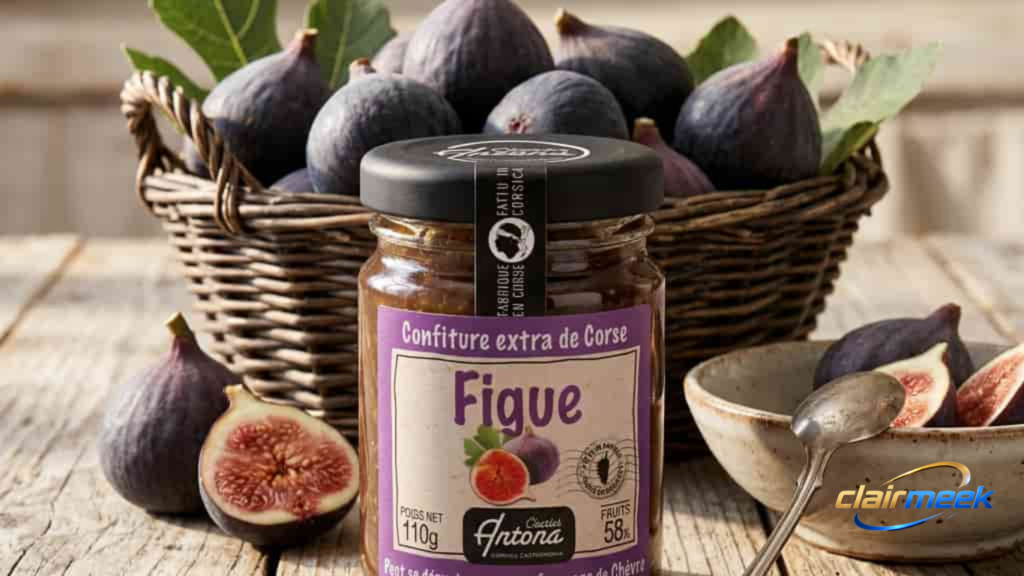
French fig jam lends itself to delightful customisations. In Corsica, you might find versions with nuts like walnuts or hazelnuts stirred in at the end for texture. A Provençal touch could include lavender or a splash of pastis for an anise hint (use sparingly).
For a festive version, add warming spices—cinnamon, cardamom, or fresh ginger—ideal for pairing with roast meats or festive cheeseboards. Chocolate lovers sometimes swirl in dark cocoa, though purists prefer keeping it fruit-forward.
Sugar-free or low-sugar adaptations rely more heavily on the fruit’s natural sweetness and added pectin sources. These are best enjoyed fresh or refrigerated sooner.
Serving Suggestions: Beyond Toast
While delicious on morning toast or croissants, French fig jam truly shines in savoury pairings. It is a classic companion to cheese, especially goat’s cheese (chèvre), aged Comté, or strong blues like Roquefort. The sweetness cuts through richness beautifully.
Try it with charcuterie, alongside pâté or foie gras, or as a glaze for roasted duck or pork. In desserts, it elevates almond tarts, yoghurt bowls, or even ice cream. For a quick appetiser, top grilled bread with goat’s cheese and a dollop of jam, finished with thyme.
Conclusion
In France, jam-making embodies a philosophy of savoir-faire—knowing how to make the most of simple, seasonal ingredients. A jar of French fig jam represents more than preserved fruit; it holds the warmth of home kitchens, the generosity of sharing, and respect for nature’s cycles.
Whether you have access to your own tree or pick up punnets at the market, making this jam connects you to centuries of tradition. The process is forgiving for beginners yet rewarding for experienced cooks who experiment with their own signature touches.