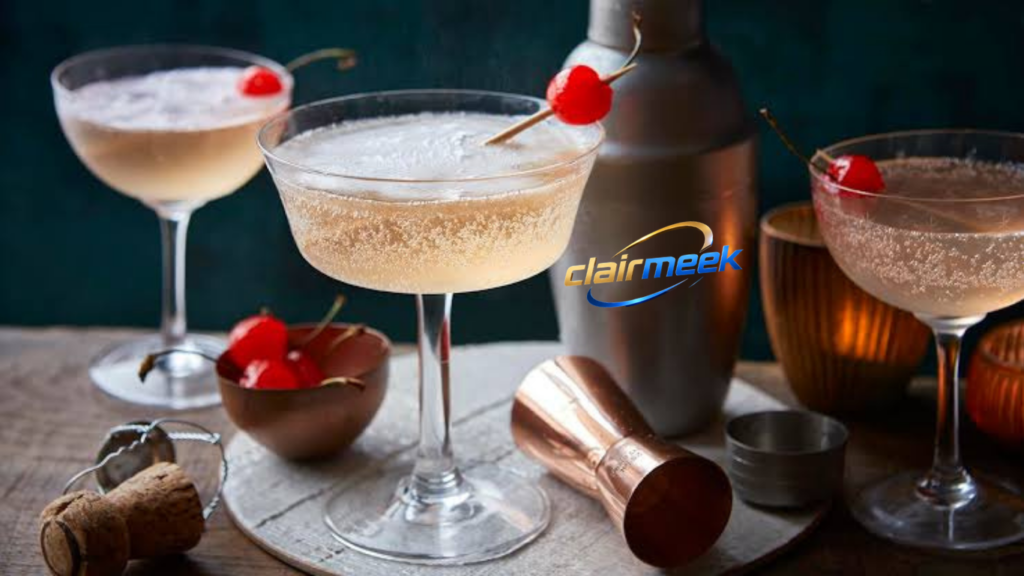

The French 75 is more than just a cocktail — it is a sparkling emblem of sophistication, blending the crisp botanicals of gin with the bright acidity of lemon and the luxurious effervescence of Champagne. Whether you are hosting an intimate dinner party, toasting at a wedding, or simply elevating a quiet evening, French 75 recipes deliver a refined yet approachable experience that has captivated drinkers for over a century.
Its name evokes the powerful French 75mm field gun from the First World War, yet the drink itself is far gentler: light, refreshing, and irresistibly festive. In this comprehensive guide, we explore the rich history of the French 75, share the definitive classic recipe, offer expert tips, and present creative variations to suit every palate and occasion. Perfect for cocktail enthusiasts and beginners alike, these French 75 recipes will become staples in your entertaining repertoire.
The Origins and History of the French 75
The story of the French 75 cocktail is intertwined with the turbulence of the early 20th century. Named after the renowned Canon de 75 modèle 1897 artillery piece — celebrated for its speed and accuracy during World War I — the drink first gained popularity among soldiers and expats in Paris.
Early versions reportedly used cognac or Calvados rather than gin. The modern gin-based iteration emerged in the 1920s. Harry MacElhone’s Harry’s ABC of Mixing Cocktails (1922) and Judge Jr.’s Here’s How (1927) helped codify the recipe that we recognise today: gin, lemon juice, sugar (or simple syrup), and Champagne.
By the Prohibition era, the French 75 had crossed the Atlantic and become a favourite in American speakeasies and high-society circles. Its combination of accessible ingredients with a touch of luxury made it ideal for the times. Today, it remains a menu staple in bars worldwide, symbolising elegance without pretension.
The Classic French 75 Recipe
This timeless version strikes the perfect balance of dry, citrusy, and bubbly. It serves one and takes just minutes to prepare.
Ingredients:
- 1 oz (30 ml) London dry gin (such as Beefeater or Bombay Sapphire)
- ½ oz (15 ml) freshly squeezed lemon juice
- ½ oz (15 ml) simple syrup
- 3 oz (90 ml) chilled Champagne or high-quality sparkling wine (brut style)
- Lemon twist, for garnish
- Ice cubes
Method:
- Fill a cocktail shaker with ice. Add the gin, lemon juice, and simple syrup.
- Shake vigorously for 10–15 seconds until well-chilled.
- Strain into a chilled Champagne flute.
- Top gently with Champagne.
- Express the oils from a lemon twist over the glass and drop it in as garnish.
Serve immediately. The result is a bright, effervescent drink with herbal depth from the gin, balanced sweetness, and a festive sparkle.
How to Make Simple Syrup for French 75 Recipes
Simple syrup is essential for smooth sweetness. Combine equal parts caster sugar and water in a saucepan over medium heat. Stir until the sugar dissolves completely, then cool and store in the fridge for up to two weeks. For a richer flavour, use a 2:1 sugar-to-water ratio.
Choosing the Right Ingredients for Perfect French 75 Cocktails
The quality of your components dramatically affects the final drink:
Gin: Opt for a London dry gin with pronounced juniper and citrus notes. Hendrick’s adds delicate cucumber and rose, while Beefeater provides a classic, robust profile.
Lemon Juice: Always use fresh. Bottled juice lacks the vibrant acidity needed to cut through the gin and bubbles.
Champagne or Sparkling Wine: True Champagne offers the finest finesse, but excellent alternatives include Cava, Prosecco, or English sparkling wine. Choose brut or extra brut for dryness that complements the other elements. Chill thoroughly before use.
Glassware: A Champagne flute preserves bubbles best, though a coupe glass adds vintage charm.
Expert Tips for Flawless French 75 Recipes
- Chill everything: Pre-chill your glasses, gin, and syrup to maintain temperature and effervescence.
- Shake then top: Never shake the Champagne — it kills the bubbles. Add it last.
- Balance is key: Taste the base mixture before adding Champagne and adjust sweetness or acidity as needed. Gin strength varies by brand.
- Batch for parties: Scale up the gin-lemon-syrup base and keep it refrigerated. Add Champagne to individual glasses just before serving to retain sparkle.
- Garnish technique: Twist the lemon peel over the glass to release essential oils, enhancing aroma.
These small details elevate a good French 75 into an exceptional one.
Creative Variations on French 75 Recipes
One of the joys of the French 75 is its adaptability. Here are several popular twists:
French 125 (Cognac Version)
Replace gin with cognac (VS or VSOP) for a richer, oakier profile ideal for cooler evenings. This variation nods to the drink’s earlier brandy-based roots.
Elderflower French 75
Add ¼ oz elderflower liqueur (such as St-Germain) to the shaker for floral sweetness.
Berry or Fruit-Infused Versions
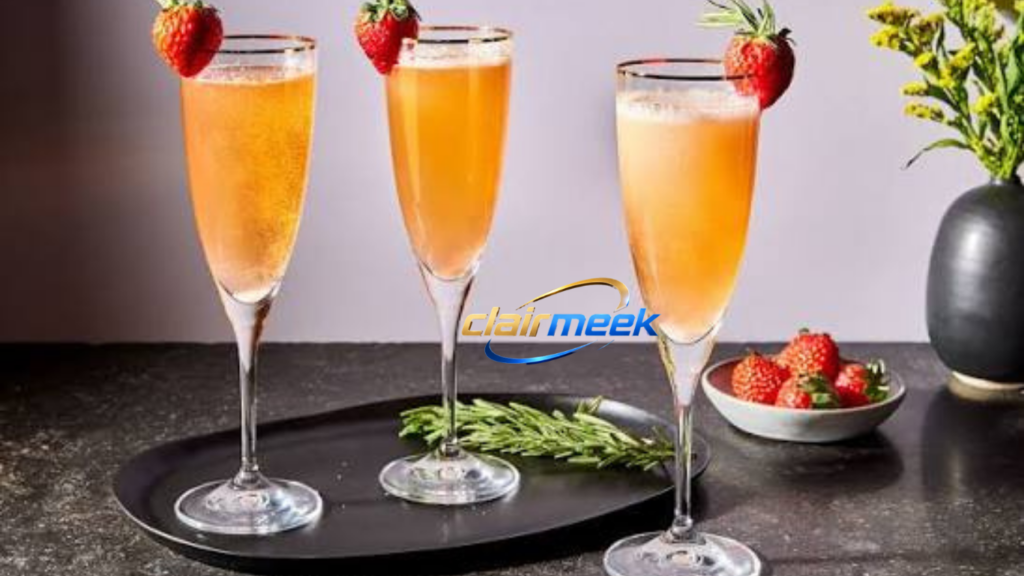
Infuse gin with raspberries or strawberries beforehand, or muddle fresh berries in the shaker. Peach liqueur creates a summery “Peachy Keen 75.”
Non-Alcoholic French 75 Mocktail
Use non-alcoholic gin, lemon juice, simple syrup, and sparkling grape juice or non-alcoholic sparkling wine. It retains the celebratory feel without the alcohol.
Mexican 75
Swap gin for tequila and lemon for lime for a south-of-the-border twist.
Experimentation is encouraged — the structure of the French 75 lends itself beautifully to seasonal ingredients like lavender in spring or cranberry in winter.
Pairing French 75 Cocktails with Food
The French 75’s bright acidity and bubbles make it versatile at the table. It pairs wonderfully with:
- Seafood (oysters, smoked salmon, prawns)
- Light appetisers and canapés
- Goat’s cheese salads
- Brunch dishes like eggs Benedict or avocado toast
- Delicate desserts such as lemon tart or fresh berries
Avoid heavy, creamy, or very spicy dishes that could overwhelm its finesse.
Common Mistakes to Avoid When Making French 75 Recipes
- Using warm ingredients or flat sparkling wine.
- Over-sweetening — the drink should remain refreshing, not cloying.
- Shaking the Champagne.
- Substituting low-quality gin or artificial lemon juice.
With practice, these pitfalls become easy to sidestep.
The Enduring Appeal of French 75 Recipes
What keeps French 75 recipes popular more than a century after their creation? Their perfect marriage of simplicity and elegance. In an era of increasingly complicated cocktails, the French 75 stands out for its minimalism — just a handful of quality ingredients that sing in harmony.
It bridges casual and formal occasions effortlessly, offering a touch of Parisian glamour whether served at a black-tie event or a backyard gathering. Bartenders and home mixologists alike appreciate its forgiving nature and impressive presentation.
Quick Facts About the French 75 Cocktail
| Detail | Information |
| Full Name | French 75 |
| Origin | Paris, early 20th century |
| Primary Spirit | Gin (modern version) |
| Key Ingredients | Gin, lemon juice, simple syrup, Champagne |
| Glassware | Champagne flute or coupe |
| ABV (approximate) | 12–15% |
| Best Served | Chilled, immediately after mixing |
| Occasions | Celebrations, brunches, aperitifs |
Why You Should Add French 75 Recipes to Your Repertoire
Mastering the French 75 equips you with a go-to drink that impresses without requiring a fully stocked bar or advanced techniques. Its history adds conversational charm, while its flavour profile delights a wide range of guests.
Conclusion
Whether you prefer the classic or enjoy experimenting with variations, these French 75 recipes reward attention to detail and quality ingredients. They remind us that the best cocktails often stem from restraint and respect for tradition, with room for modern creativity.