
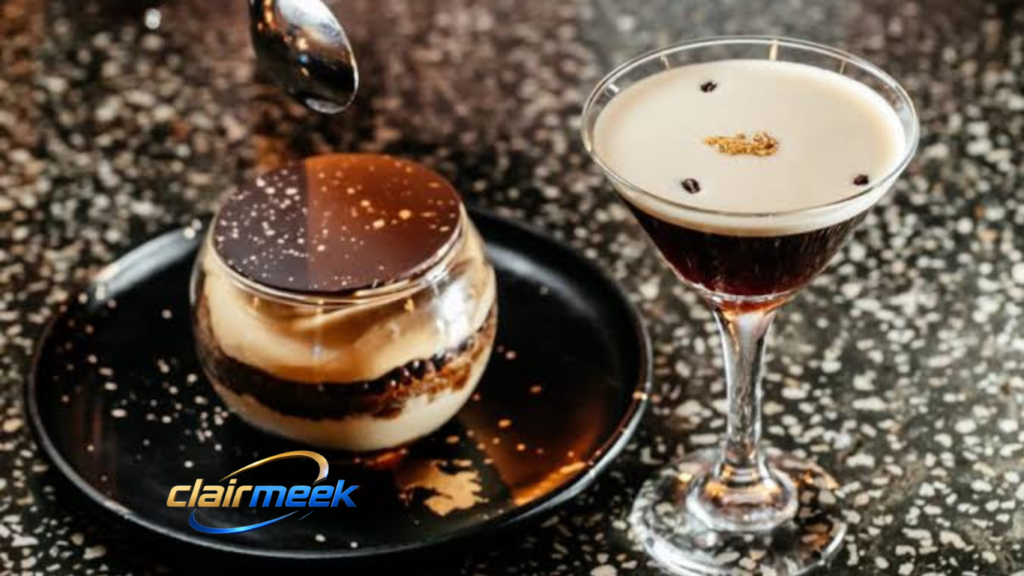

National Espresso Martini Day, observed annually on 15 March, offers the perfect occasion to raise a glass to one of the most enduring and beloved cocktails of the modern era. This frothy, energising blend of vodka, espresso, and coffee liqueur has captivated drinkers worldwide, bridging the gap between after-dinner indulgence and late-night vitality.
What began as a spontaneous creation in a London bar has evolved into a global phenomenon, appearing on menus from Soho to Sydney. On National Espresso Martini Day, bars and enthusiasts alike experiment with variations while honouring its rich, caffeinated kick. Whether you’re a seasoned mixologist or simply enjoy a well-crafted drink, this day highlights the cocktail’s remarkable journey from niche favourite to cultural staple.
The Origins of National Espresso Martini Day
National Espresso Martini Day emerged as an unofficial but widely embraced celebration, likely chosen for 15 March due to its relative quiet in the calendar of drink-related observances. While the exact founder remains unclear, the date has gained traction through social media, brand promotions, and bar events, turning it into an annual excuse to toast this iconic beverage.
The day’s popularity reflects the cocktail’s resurgence in recent years. Once a product of 1980s London nightlife, the Espresso Martini has enjoyed renewed interest among younger drinkers seeking sophisticated yet accessible options that combine the boldness of coffee with the smoothness of a classic martini.
Early Days: The Invention of the Espresso Martini
The story of the Espresso Martini traces back to mid-1980s London, specifically to the creative mind of legendary bartender Dick Bradsell. Working at Fred’s Club in Soho (and later the Soho Brasserie on Old Compton Street), Bradsell responded to a request from a model who famously asked for a drink that would “wake me up and fuck me up.”
Bradsell combined fresh espresso, vodka, and coffee liqueur—initially serving it as the Vodka Espresso. Over the following years, he refined the recipe, which later became known as the Pharmaceutical Stimulant before settling on the Espresso Martini name in the late 1990s. His daughter, Bea Bradsell, has shared that perfecting the balance was a labour of love, with tweaks appearing across various bar menus.
This British invention quickly spread, thanks in part to Bradsell’s influence on the London cocktail scene. He is also credited with other modern classics like the Bramble, cementing his reputation as a pioneering figure in mixology.
The Classic Recipe and Enduring Appeal
At its core, the Espresso Martini delivers a harmonious mix of bold coffee flavours, subtle sweetness, and a silky texture. The standard recipe typically includes:
- 50ml vodka
- 30ml fresh espresso (or cold brew concentrate)
- 15ml coffee liqueur (such as Kahlúa)
- 10-15ml sugar syrup (optional, to taste)
- Coffee beans for garnish
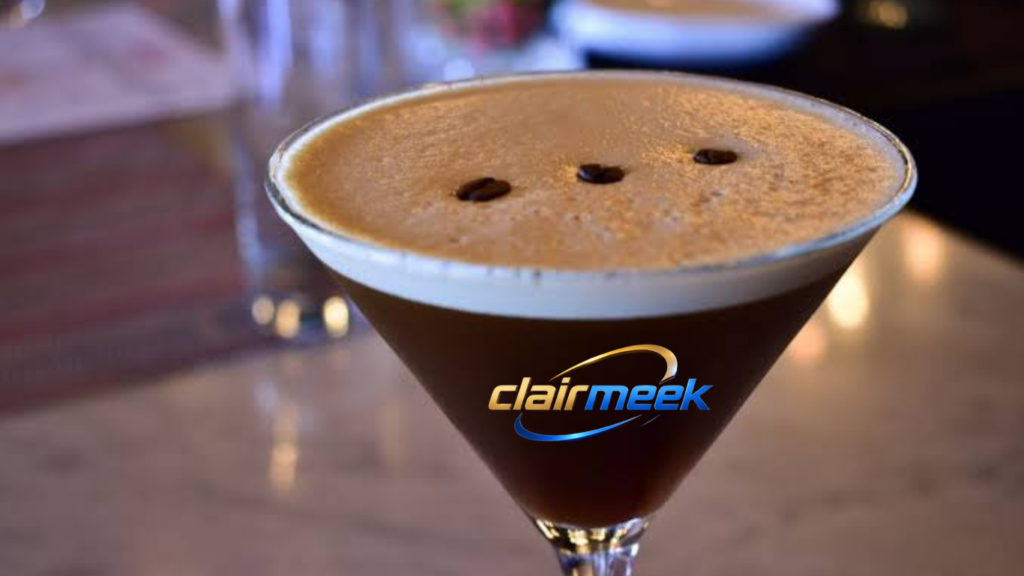
The drink is shaken vigorously with ice to create its signature crema-like foam, then strained into a chilled martini glass. The result is a sophisticated sipper that feels both indulgent and invigorating.
Its appeal lies in versatility. The caffeine provides a gentle lift, making it ideal for evening enjoyment without the heaviness of cream-based cocktails. On National Espresso Martini Day, many bars offer creative twists, from hazelnut or vanilla infusions to spiced or chocolate-accented versions.
Rise to Fame and Cultural Impact
The Espresso Martini’s ascent mirrored broader shifts in drinking culture. In the 1990s and early 2000s, it found favour in trendy London venues and gradually crossed the Atlantic. Its photogenic foam and sophisticated profile made it a favourite in the Instagram era, contributing to a major revival in the 2010s and 2020s.
Celebrities and influencers have helped popularise it, while premium spirit brands have launched dedicated campaigns. In the UK, it remains a staple in cocktail bars, with many venues celebrating National Espresso Martini Day through special menus, flights, and events.
The cocktail’s success also highlights the innovation of British bartenders. Dick Bradsell’s creations emphasised fresh ingredients and balance—principles that continue to shape contemporary mixology.
Variations and Modern Twists
While the classic formula reigns supreme, bartenders worldwide have embraced experimentation. Popular variations include:
- Vanilla Espresso Martini: Adding vanilla vodka or syrup for extra smoothness.
- Spiced versions: Incorporating cinnamon or chilli for warmth.
- Non-alcoholic adaptations: Using espresso, coffee alternatives, and spirit-free liqueurs.
- Dessert-inspired takes: Chocolate bitters or salted caramel notes.
These innovations keep the drink fresh while honouring its origins. On National Espresso Martini Day, enthusiasts often host home tastings or visit local bars to sample limited-edition offerings.
Personal and Professional Legacy of Dick Bradsell
Dick Bradsell, who passed away in 2016, left an indelible mark on the industry. His approach emphasised creativity, hospitality, and respect for ingredients. Colleagues and family remember him as a generous mentor who elevated bartending from service to craft.
The Espresso Martini stands as perhaps his most recognisable contribution, enjoyed by millions who may never know its London roots. Bradsell’s other creations, like the Bramble (gin, lemon, blackberry liqueur), continue to appear on menus globally.
How to Celebrate National Espresso Martini Day
Marking the occasion is delightfully straightforward. Home bartenders can invest in a good espresso machine or use quality cold brew for consistency. Professional venues often run promotions, from discounted classics to themed pairings with coffee-infused desserts.
For those in the UK, seek out independent bars that source local coffee roasts or premium vodkas. Sharing the experience with friends amplifies the enjoyment—whether in a cosy pub or at a lively gathering.
Quick Facts
| Detail | Information |
| Full Name | National Espresso Martini Day |
| Date | 15 March annually |
| Origin | Unofficial, popularised via bars and social media |
| Associated Cocktail | Espresso Martini (invented by Dick Bradsell, mid-1980s, London) |
| Key Ingredients | Vodka, espresso, coffee liqueur |
| Known For | Frothy texture, caffeinated kick, modern classic status |
| Cultural Impact | Global resurgence in cocktail culture |
Lasting Impact on Cocktail Culture
National Espresso Martini Day underscores the enduring power of a well-crafted drink to bring people together. The Espresso Martini symbolises creativity in mixology—how a simple request in a Soho bar sparked a worldwide favourite.
Its influence extends beyond recipes, encouraging bartenders to innovate while respecting tradition. In an era of endless beverage choices, it reminds us that balance, quality ingredients, and a touch of theatre create timeless appeal.
The cocktail’s journey from underground London favourite to mainstream sensation offers lessons in adaptation and resilience. As drinking trends evolve, the Espresso Martini continues to hold its own, proving that some classics only improve with time.
What do you find mostNational Espresso Martini Day: Celebrating a Modern Cocktail Classic**
National Espresso Martini Day, observed annually on 15 March, offers the perfect occasion to raise a glass to one of the most enduring and beloved cocktails of the modern era. This frothy, energising blend of vodka, espresso, and coffee liqueur has captivated drinkers worldwide, bridging the gap between after-dinner indulgence and late-night vitality.
What began as a spontaneous creation in a London bar has evolved into a global phenomenon, appearing on menus from Soho to Sydney. On National Espresso Martini Day, bars and enthusiasts alike experiment with variations while honouring its rich, caffeinated kick. Whether you’re a seasoned mixologist or simply enjoy a well-crafted drink, this day highlights the cocktail’s remarkable journey from niche favourite to cultural staple.
The Origins of National Espresso Martini Day
National Espresso Martini Day emerged as an unofficial but widely embraced celebration, likely chosen for 15 March due to its relative quiet in the calendar of drink-related observances. While the exact founder remains unclear, the date has gained traction through social media, brand promotions, and bar events, turning it into an annual excuse to toast this iconic beverage.
The day’s popularity reflects the cocktail’s resurgence in recent years. Once a product of 1980s London nightlife, the Espresso Martini has enjoyed renewed interest among younger drinkers seeking sophisticated yet accessible options that combine the boldness of coffee with the smoothness of a classic martini.
Early Days: The Invention of the Espresso Martini
The story of the Espresso Martini traces back to mid-1980s London, specifically to the creative mind of legendary bartender Dick Bradsell. Working at Fred’s Club in Soho (and later the Soho Brasserie on Old Compton Street), Bradsell responded to a request from a model who famously asked for a drink that would “wake me up and fuck me up.”
Bradsell combined fresh espresso, vodka, and coffee liqueur—initially serving it as the Vodka Espresso. Over the following years, he refined the recipe, which later became known as the Pharmaceutical Stimulant before settling on the Espresso Martini name in the late 1990s. His daughter, Bea Bradsell, has shared that perfecting the balance was a labour of love, with tweaks appearing across various bar menus.
This British invention quickly spread, thanks in part to Bradsell’s influence on the London cocktail scene. He is also credited with other modern classics like the Bramble, cementing his reputation as a pioneering figure in mixology.
The Classic Recipe and Enduring Appeal
At its core, the Espresso Martini delivers a harmonious mix of bold coffee flavours, subtle sweetness, and a silky texture. The standard recipe typically includes:
- 50ml vodka
- 30ml fresh espresso (or cold brew concentrate)
- 15ml coffee liqueur (such as Kahlúa)
- 10-15ml sugar syrup (optional, to taste)
- Coffee beans for garnish
The drink is shaken vigorously with ice to create its signature crema-like foam, then strained into a chilled martini glass. The result is a sophisticated sipper that feels both indulgent and invigorating.
Its appeal lies in versatility. The caffeine provides a gentle lift, making it ideal for evening enjoyment without the heaviness of cream-based cocktails. On National Espresso Martini Day, many bars offer creative twists, from hazelnut or vanilla infusions to spiced or chocolate-accented versions.
Rise to Fame and Cultural Impact
The Espresso Martini’s ascent mirrored broader shifts in drinking culture. In the 1990s and early 2000s, it found favour in trendy London venues and gradually crossed the Atlantic. Its photogenic foam and sophisticated profile made it a favourite in the Instagram era, contributing to a major revival in the 2010s and 2020s.
Celebrities and influencers have helped popularise it, while premium spirit brands have launched dedicated campaigns. In the UK, it remains a staple in cocktail bars, with many venues celebrating National Espresso Martini Day through special menus, flights, and events.
The cocktail’s success also highlights the innovation of British bartenders. Dick Bradsell’s creations emphasised fresh ingredients and balance—principles that continue to shape contemporary mixology.
Variations and Modern Twists
While the classic formula reigns supreme, bartenders worldwide have embraced experimentation. Popular variations include:
- Vanilla Espresso Martini: Adding vanilla vodka or syrup for extra smoothness.
- Spiced versions: Incorporating cinnamon or chilli for warmth.
- Non-alcoholic adaptations: Using espresso, coffee alternatives, and spirit-free liqueurs.
- Dessert-inspired takes: Chocolate bitters or salted caramel notes.
These innovations keep the drink fresh while honouring its origins. On National Espresso Martini Day, enthusiasts often host home tastings or visit local bars to sample limited-edition offerings.
Personal and Professional Legacy of Dick Bradsell
Dick Bradsell, who passed away in 2016, left an indelible mark on the industry. His approach emphasised creativity, hospitality, and respect for ingredients. Colleagues and family remember him as a generous mentor who elevated bartending from service to craft.
The Espresso Martini stands as perhaps his most recognisable contribution, enjoyed by millions who may never know its London roots. Bradsell’s other creations, like the Bramble (gin, lemon, blackberry liqueur), continue to appear on menus globally.
How to Celebrate National Espresso Martini Day
Marking the occasion is delightfully straightforward. Home bartenders can invest in a good espresso machine or use quality cold brew for consistency. Professional venues often run promotions, from discounted classics to themed pairings with coffee-infused desserts.
For those in the UK, seek out independent bars that source local coffee roasts or premium vodkas. Sharing the experience with friends amplifies the enjoyment—whether in a cosy pub or at a lively gathering.

Quick Facts
| Detail | Information |
| Full Name | National Espresso Martini Day |
| Date | 15 March annually |
| Origin | Unofficial, popularised via bars and social media |
| Associated Cocktail | Espresso Martini (invented by Dick Bradsell, mid-1980s, London) |
| Key Ingredients | Vodka, espresso, coffee liqueur |
| Known For | Frothy texture, caffeinated kick, modern classic status |
| Cultural Impact | Global resurgence in cocktail culture |
Lasting Impact on Cocktail Culture
National Espresso Martini Day underscores the enduring power of a well-crafted drink to bring people together. The Espresso Martini symbolises creativity in mixology—how a simple request in a Soho bar sparked a worldwide favourite.
Conclusion
Its influence extends beyond recipes, encouraging bartenders to innovate while respecting tradition. In an era of endless beverage choices, it reminds us that balance, quality ingredients, and a touch of theatre create timeless appeal.
The cocktail’s journey from underground London favourite to mainstream sensation offers lessons in adaptation and resilience. As drinking trends evolve, the Espresso Martini continues to hold its own, proving that some classics only improve with time.