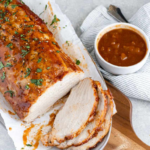
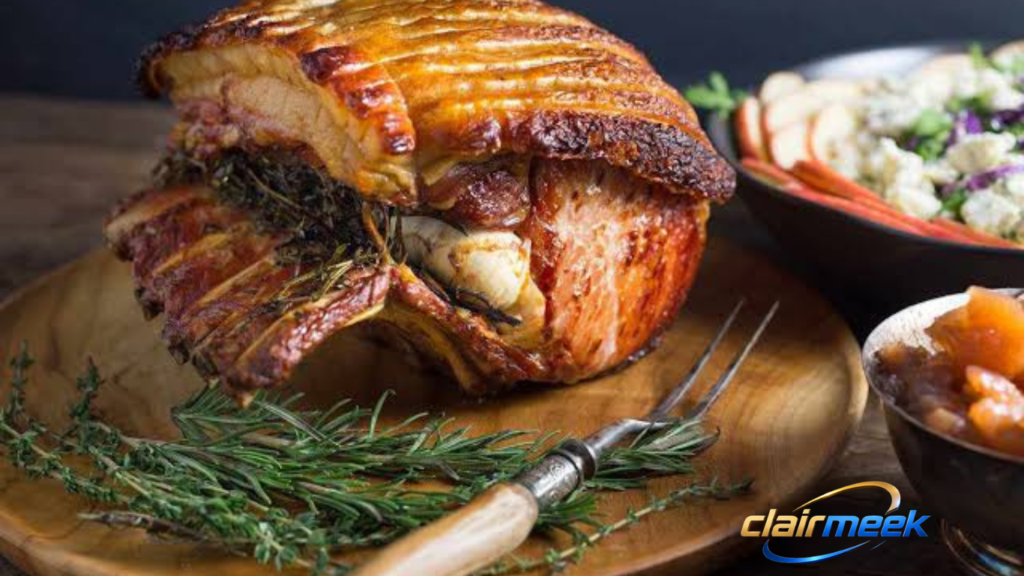

A perfectly cooked half pork loin is one of those reliable centrepieces that feels special without demanding hours in the kitchen. Whether you are feeding a small family or simply prefer leftovers that taste even better the next day, this cut delivers tender, flavourful meat with minimal fuss. In British kitchens the half pork loin has long been a practical choice for Sunday roasts, midweek dinners and festive meals alike. Its lean yet succulent character, especially when sourced from British outdoor-reared pigs, makes it a favourite among home cooks who value both quality and convenience.
What keeps people returning to a good half pork loin recipe is the balance it strikes. The meat stays juicy when handled correctly, the optional crackling provides satisfying texture, and the leftovers transform easily into sandwiches, salads or stir-fries. This guide walks through everything you need to know, from choosing the right joint to serving suggestions, so you can achieve consistently excellent results.
Understanding the Cut: Pork Loin Basics
Pork loin comes from the back of the pig, running along either side of the backbone. A full loin is substantial, so butchers often offer a half joint that typically weighs between 1 kg and 1.5 kg, ideal for four to six people. It may be sold bone-in or boneless. Bone-in versions often include a layer of skin that can be scored and transformed into crisp crackling, while boneless joints are easier to carve and suit those who prefer a cleaner presentation.
It is important not to confuse pork loin with pork tenderloin. The tenderloin is a long, thin, very lean muscle that cooks quickly; the loin is thicker, broader and benefits from slightly longer, more measured heat. A half pork loin sits comfortably between everyday chops and a large roasting joint, offering enough presence for a proper meal without excess.
When shopping, look for meat with a good colour, a modest fat cap and, if possible, free-range or outdoor-reared British pork. These animals tend to produce more flavourful meat with better texture. Ask your butcher to score the skin if you want crackling, or to leave it unscored for a simpler roast.
Choosing and Preparing Your Half Pork Loin
Start by removing the joint from the fridge 30 to 45 minutes before cooking so it can come closer to room temperature. This promotes even cooking. Pat the surface thoroughly dry with kitchen paper; moisture is the enemy of both good browning and crisp crackling.
If the joint has skin, score it in a diamond pattern with a sharp knife, taking care not to cut into the meat itself. Rub sea salt generously into the scores and across the skin. For boneless joints without skin, a simple seasoning of salt, pepper, crushed garlic and chopped rosemary or thyme works beautifully. Some cooks like to dry-brine the meat overnight with salt, which draws out a little moisture then allows it to reabsorb, resulting in juicier slices.
Optional flavour boosts include a light rub of olive oil mixed with smoked paprika, lemon zest or a touch of Dijon mustard. Avoid heavy marinades that can overwhelm the natural pork flavour, though a short soak in a mild brine (water, salt, a little sugar and aromatics) for a few hours can help leaner cuts stay moist.
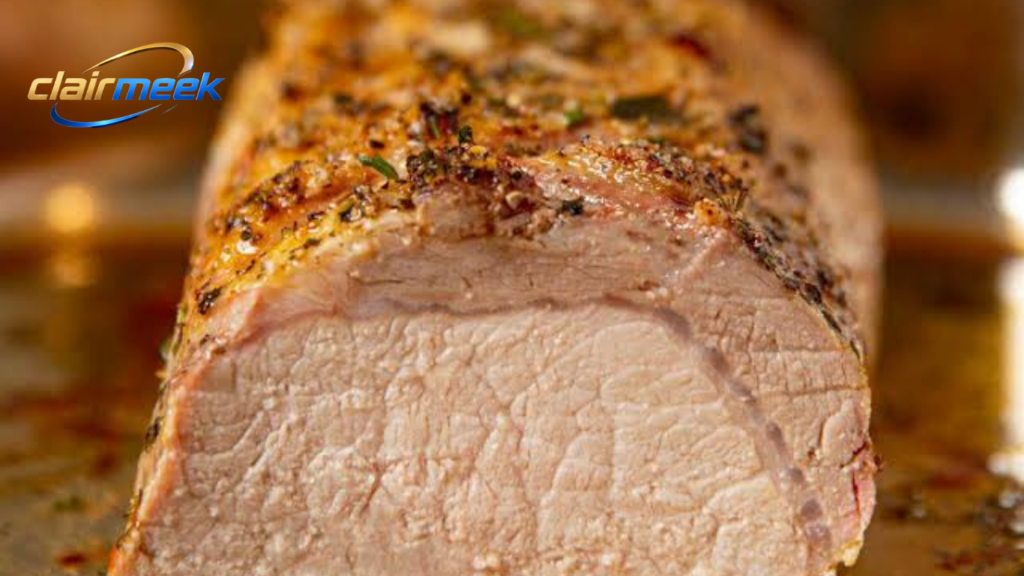
The Classic Roast Half Pork Loin Recipe
This straightforward method produces reliable results with minimal equipment. It works for both bone-in and boneless joints.
Ingredients (serves 4–6)
- 1–1.5 kg half pork loin (bone-in preferred for crackling)
- 1–2 tbsp olive oil or a little neutral oil
- 1–2 tbsp coarse sea salt
- Freshly ground black pepper
- 3–4 garlic cloves, lightly crushed
- A few sprigs of fresh rosemary or thyme
- 1 onion, roughly quartered (optional, for the roasting tin)
- 1 apple, quartered (optional)
- 200–250 ml chicken or vegetable stock (for gravy)
Method
Preheat the oven to 220°C (fan 200°C / gas mark 7). Place the prepared joint in a roasting tin, ideally on a simple trivet of onion and apple if using. Rub the skin or surface with oil and a final sprinkle of salt.
Roast at the high temperature for 20–30 minutes until the skin begins to blister and colour. Reduce the heat to 180°C (fan 160°C / gas mark 4) and continue cooking. As a rough guide, allow about 25–30 minutes per 500 g plus an extra 25 minutes, but always rely on a meat thermometer. The internal temperature at the thickest part should reach 63–70°C depending on preferred doneness; many British cooks aim for around 70°C for traditional results while modern guidance accepts 63°C followed by resting.
Once the target temperature is reached, transfer the joint to a warm plate or board, cover loosely with foil and rest for 20–30 minutes. Resting allows the juices to redistribute, keeping the meat tender when sliced.
While the pork rests, make a simple gravy. Place the roasting tin on the hob, skim excess fat if necessary, then deglaze with the stock, scraping up the browned bits. Simmer and thicken slightly with a little cornflour mixed with cold water if desired. Strain for a smoother finish.
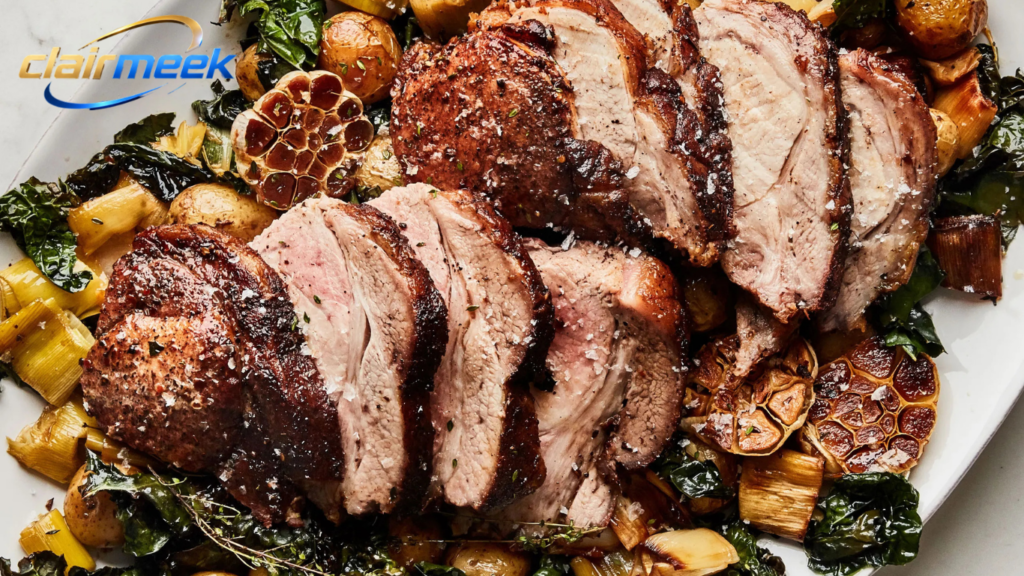
Carve across the grain into generous slices. Serve with the crackling broken into pieces, roast potatoes, seasonal vegetables and the gravy.
Variations to Suit Different Tastes
A maple and orange glaze adds a gentle sweetness that pairs well with the pork. After the initial high-heat blast, brush the joint with a mixture of maple syrup, orange juice, a spoonful of Dijon mustard and a little chopped rosemary, then continue roasting, basting once or twice. The glaze caramelises lightly without burning if applied towards the middle or end of cooking.
For a more aromatic version, create a paste of minced garlic, lemon zest, rosemary, thyme and olive oil. Rub this over the flesh (keeping the skin dry for crackling). The herbs perfume the meat without dominating.
Those short on time can sear the joint in a hot pan on all sides first, then transfer it to a moderate oven (around 180°C) until the internal temperature is correct. This method builds flavour quickly and creates tasty pan juices for sauce.
Slow-cooker or low-and-slow oven approaches also work for very tender results, though they sacrifice the classic crackling texture. Cook on a low setting with a little stock and aromatics until the meat is fork-tender, then finish under a hot grill if desired.
Serving Suggestions and Leftovers
Classic accompaniments include crisp roast potatoes, apple sauce, braised red cabbage, green beans or buttered carrots. A sharp mustard or a simple green salad cuts through the richness. For a lighter meal, serve thinner slices with new potatoes and a herb salad.
Leftover half pork loin is excellent cold in sandwiches with mustard and pickle, chopped into a fried rice or noodle dish, or warmed gently in a light gravy. Store cooled leftovers in the fridge and use within two days, or freeze for longer storage.
Tips for Success Every Time
Always use a reliable meat thermometer rather than relying solely on time. Ovens vary and joint shapes differ. Keep the skin dry and well salted for the best crackling. Do not skip the resting period. If the crackling softens during resting, a brief return to a hot oven or under the grill can restore crispness. Source good-quality pork when possible; the difference in flavour is noticeable.
A half pork loin recipe rewards careful attention to temperature and rest more than complicated techniques. With practice the process becomes second nature, delivering a roast that feels both comforting and accomplished.
Quick Reference Table
| Detail | Information |
| Typical weight | 1–1.5 kg |
| Serves | 4–6 |
| Oven start temperature | 220°C (fan 200°C) |
| Main cooking temperature | 180°C (fan 160°C) |
| Target internal temp | 63–70°C |
| Resting time | 20–30 minutes |
| Best for | Sunday roast, family meals |
| Key equipment | Meat thermometer, roasting tin |
Why This Cut Continues to Appeal
The half pork loin remains popular because it is versatile, relatively economical and forgiving when cooked with care. It suits modern smaller households while still providing the satisfaction of a proper roast. British free-range and outdoor-reared options have raised the quality available to home cooks, and simple herb or fruit-based flavourings keep the recipe feeling fresh across the seasons.
Conclusion
Whether you stick to the classic salted and roasted version or experiment with a light glaze, the fundamentals stay the same: good meat, accurate temperature, and patience during resting. Master these and a half pork loin recipe becomes one of the most dependable dishes in your repertoire.