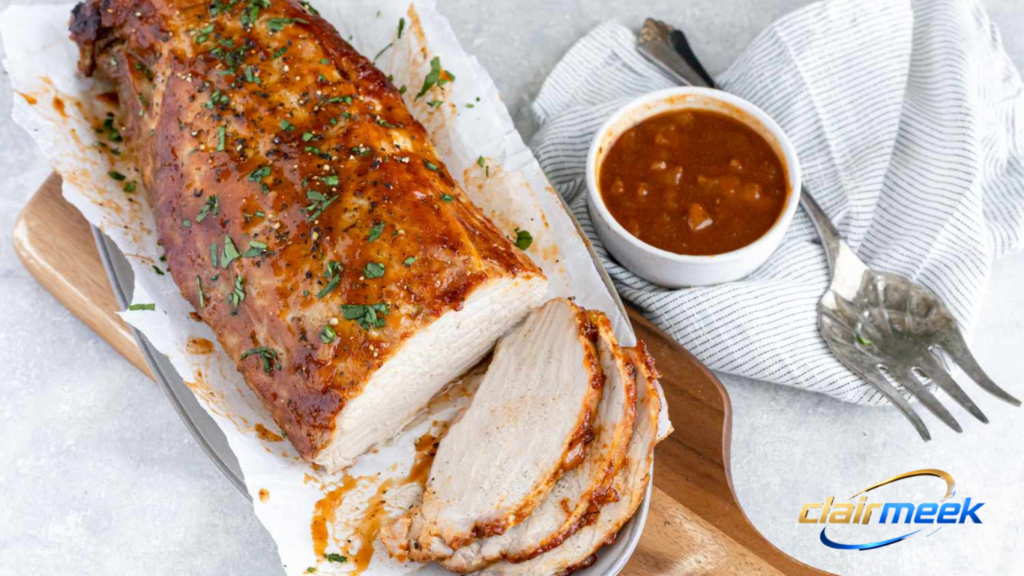

Pork loin recipes have long held a special place on British tables, from traditional Sunday roasts to lighter weekday meals. This versatile cut delivers lean, tender meat that pairs beautifully with everything from sharp apple sauces to fragrant herbs and bold spices. Whether you are preparing a family dinner or something more special, mastering a few reliable pork loin recipes opens the door to consistently impressive results.
The appeal lies in the balance of flavour and practicality. Pork loin is relatively affordable, readily available from butchers and supermarkets across the UK, and forgiving when handled with care. Readers keep returning to these dishes because they feel both comforting and adaptable – classic enough for a traditional roast yet flexible enough for modern twists.
Understanding Pork Loin
Pork loin comes from the back of the pig and is one of the leaner, more tender cuts. It is distinct from the smaller, narrower pork tenderloin. A typical joint may be sold bone-in or boneless, with or without the skin for crackling. Boneless loins are easier to carve and stuff, while bone-in versions often deliver extra flavour during roasting.
When choosing your joint, look for pale pink meat with a thin, even layer of fat. For crackling, the skin should be dry and scored in a diamond pattern by the butcher if possible. British pork is widely available and supports high welfare standards when sourced carefully. Aim for a joint weighing 1.5–2 kg for four to six people; larger joints scale well for gatherings.
Essential Tips for Perfect Pork Loin
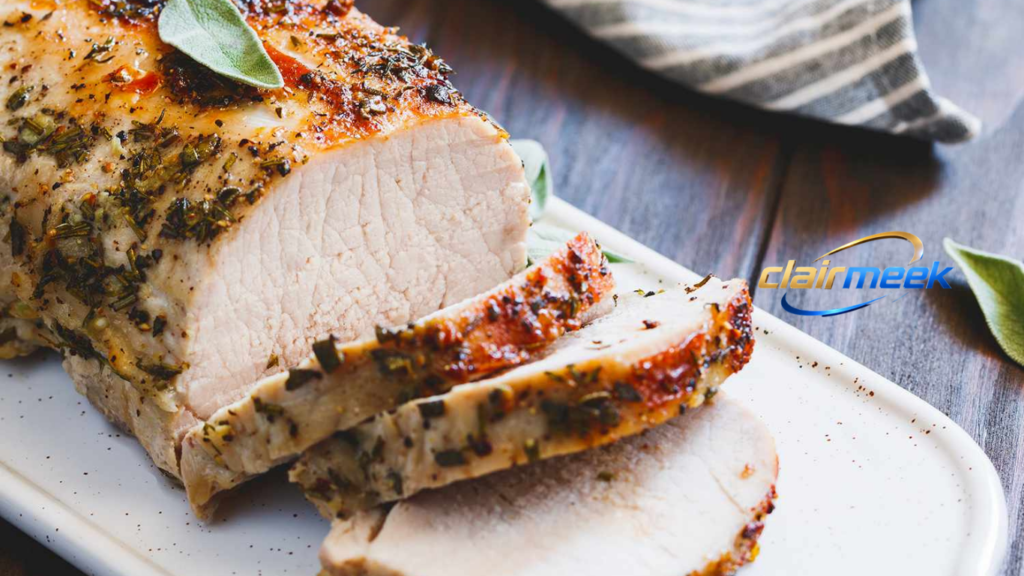
Success with pork loin recipes starts with temperature control. Current guidelines recommend cooking whole cuts to an internal temperature of 63°C (145°F), followed by a rest of at least three minutes. This yields juicy meat that may still show a faint blush of pink in the centre – a far cry from the dry, overcooked results of older advice that pushed temperatures higher.
Pat the joint dry thoroughly before cooking. For crackling, leave the scored skin uncovered in the fridge for several hours or overnight to dry it out further, then rub generously with sea salt. Start roasting at a high temperature (around 220–240°C) for the first 20–25 minutes to blister the skin, then reduce to 180–200°C until the centre reaches the target temperature. A reliable meat thermometer is the best investment for consistent results.
Resting is non-negotiable. Cover the cooked joint loosely with foil and leave it for 10–15 minutes. This allows the juices to redistribute, ensuring every slice stays moist. Seasoning can be as simple as salt, pepper, garlic and rosemary, or more adventurous with fennel seeds, lemon zest, mustard or spice rubs.
Classic Roast Pork Loin with Crackling
Few pork loin recipes feel more quintessentially British than a proper roast with crisp crackling. A straightforward method begins with a 1.5–2 kg skin-on joint. Score the skin if needed, dry it well and rub with sea salt. Place the joint on a bed of roughly chopped onions, carrots and fennel in a roasting tin. Rub the flesh with crushed garlic, fennel seeds, olive oil and lemon zest.
Roast at 220°C for 25 minutes, then lower the temperature to 180°C and continue for roughly 25 minutes per 500 g, checking the internal temperature. Once done, rest the meat while you make a simple gravy from the pan juices, perhaps deglazing with a splash of cider or white wine. Serve with roast potatoes, seasonal greens and a sharp apple or pear sauce. This approach, refined by generations of home cooks and chefs, remains a reliable centrepiece.
Variations include adding halved pears or apples to the tin for natural sweetness, or finishing with a quick cider gravy thickened with a little cornflour. The result is crackling that shatters satisfyingly against the tender meat beneath.
Stuffed and Rolled Pork Loin Recipes
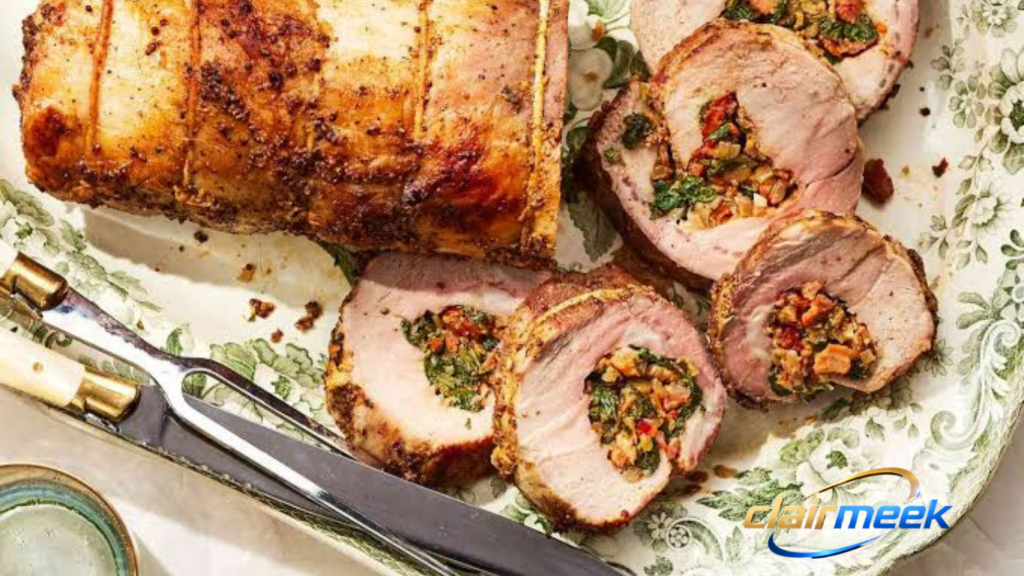
Stuffing elevates pork loin into something more special. Butterfly a boneless joint or ask the butcher to prepare it, then fill with a mixture of sautéed mushrooms, herbs, breadcrumbs and ricotta or soft cheese. Pine nuts, garlic and thyme add depth. Roll and tie the joint securely, season the outside and roast as above, allowing a little extra time for the denser centre.
Apple and sage make another classic pairing: dice a Bramley apple, mix with chopped sage, onion and a little butter, then stuff and roast. For an Italian-inspired version, draw on porchetta flavours – fennel, garlic, rosemary and sometimes pancetta or dried fruit – rolled tightly and roasted until the exterior is golden. These pork loin recipes reward a bit of preparation with impressive presentation when sliced to reveal the spiral of filling.
Grilled, Pan-Fried and Alternative Approaches
Not every meal calls for a full roast. Pork loin steaks or medallions cook quickly under the grill or in a pan. Season with crushed fennel seeds, garlic and lemon zest, then cook over medium-high heat for a few minutes each side until they reach 63°C. A quick pan sauce made with stock, mustard and a splash of cream or cider turns them into an elegant midweek dish.
Slow-cooker or pot-roast methods suit busier days. Brown the joint first, then cook low and slow with onions, garlic, tomatoes or mushrooms until tender. Asian-inspired marinades – soy, ginger, garlic and a touch of honey or palm sugar – work well for oven roasting or grilling, producing sticky, flavourful results. Goan-style spice pastes with cinnamon, turmeric, chilli and tamarind offer a fragrant alternative for those seeking something different.
Serving Suggestions and Complementary Sides
Pork loin recipes shine alongside sharp, fruity or earthy accompaniments. Classic apple sauce remains unbeatable, though pear or rhubarb sauces provide welcome variation. Creamy celeriac purée, braised cabbage, roasted root vegetables or simple new potatoes all complement the meat without overpowering it. For lighter meals, pair grilled steaks with a green salad, runner beans or a broccoli side.
Leftovers are a bonus. Cold slices make excellent sandwiches, while leftover meat can be shredded for noodles, salads or a quick ragu. Crackling, if any remains, is best eaten fresh but can be re-crisped briefly in a hot oven.
Quick Reference Guide
| Detail | Information |
| Best internal temp | 63°C (145°F) then rest |
| Typical roast time | 25 min per 500 g after initial high heat |
| Ideal joint size | 1.5–2 kg for 4–6 people |
| Key flavour partners | Apple, sage, fennel, garlic, mustard, cider |
| Common methods | Roast, stuff & roll, grill, pot-roast |
| Storage | Cooked leftovers 3 days fridge; freeze up to 3 months |
Why These Recipes Endure
Pork loin remains popular because it balances economy, flavour and versatility. It adapts to traditional British roasts and international influences with equal ease. Careful temperature control and proper resting transform a potentially lean cut into something consistently juicy and satisfying. Home cooks who master a few core techniques – drying the skin for crackling, seasoning thoughtfully and not overcooking – find themselves returning to pork loin recipes again and again.
Conclusion
The best versions celebrate the meat itself rather than masking it. Whether the joint is simply salted and roasted or carefully stuffed and glazed, the result feels generous and comforting. That combination of reliability and pleasure explains the lasting place of pork loin on family tables and special-occasion menus alike.