
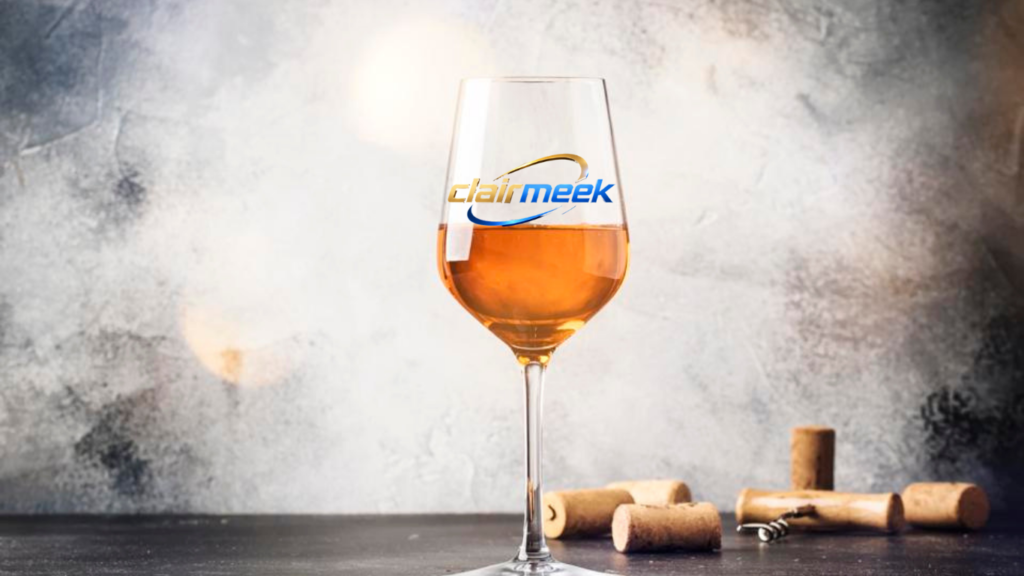

Orange wine has moved from obscure natural-wine bars to supermarket shelves and restaurant lists across the UK and beyond. Neither made from oranges nor a simple blend of white and red, this distinctive style is produced from white grapes left in contact with their skins, creating amber hues, firm tannins and complex flavours that sit somewhere between a structured white and a lighter red. Its recent popularity reflects a broader interest in traditional methods, minimal intervention and wines that challenge conventional categories.
What keeps readers and drinkers returning to orange wine is its dual nature: deeply historical yet freshly relevant. It offers texture and gastronomic versatility that many modern whites lack, while its story stretches back thousands of years. Far from a fleeting trend, it represents a return to one of the oldest continuous winemaking traditions still practised today.
Origins and Background
The roots of orange wine lie in the Caucasus, specifically in what is now Georgia. Archaeological evidence places skin-contact white wine production there as far back as around 6000 BC. Winemakers fermented white grapes in large clay vessels known as qvevri (or kvevri), which were buried underground for natural temperature control. The vessels were typically lined with beeswax and sealed with stone lids. Grapes, including skins, seeds and sometimes stems (chacha), were placed inside and left to ferment and mature for months. Two main traditional approaches developed: the Kakhetian method, using a high proportion of skins and stems for deep amber wines, and the lighter Imeretian style with shorter contact.
This technique was not unique to Georgia. Variations appeared across the ancient world, including Roman amphorae used in regions such as Portugal’s Alentejo. In north-eastern Italy and neighbouring Slovenia, skin-contact whites formed part of local tradition for centuries. By the mid-20th century, however, the style largely faded from commercial production. Industrial methods favoured pale, fresh, temperature-controlled whites free of tannin and oxidation. In Georgia, Soviet-era industrialisation further reduced commercial qvevri wine, though household and village production continued.
The modern revival began in the late 1990s and early 2000s. Italian and Slovenian producers, notably Joško Gravner and Stanko Radikon in Friuli-Venezia Giulia, travelled to Georgia, imported qvevri and began long-maceration white wines from local varieties such as Ribolla Gialla. Gravner shifted his production decisively after 1997–98, while Radikon’s family wines became benchmarks for the style. The term “orange wine” itself was coined in 2004 by British wine importer David A. Harvey to describe these distinctive bottles.
Production Methods and Rise to Prominence
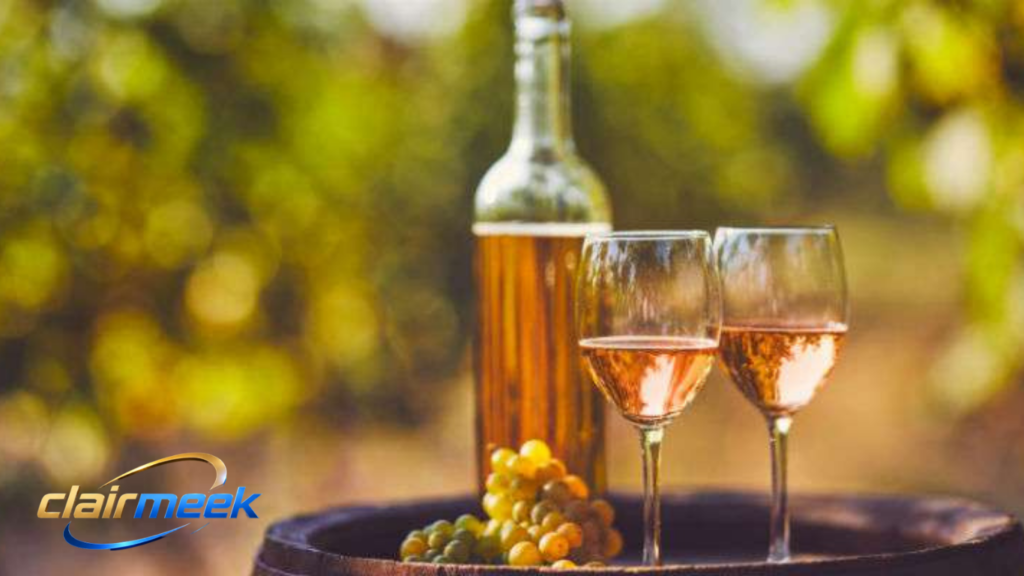
Orange wine is made by treating white grapes as reds are treated. After harvest the grapes are crushed or left whole, then the juice remains in contact with skins (and often seeds and stems) during fermentation and sometimes extended maceration. Contact can range from a few days to several months or even a year. Colour extraction produces shades from pale gold and copper to deep amber or orange. Tannins and phenolic compounds add structure, texture and longevity, while exposure to oxygen during prolonged contact often develops nutty, honeyed or dried-fruit notes.
Vessels vary. Traditional qvevri remain central in Georgia. Elsewhere producers use stainless steel, oak, concrete or amphorae. Many orange wines fall under the broader natural or minimal-intervention umbrella, with low or no added sulphur, though this is not universal. The International Organisation of Vine and Wine recognises the category as “white wine with maceration,” recommending a minimum of one month of skin contact in some definitions, though commercial examples exist with shorter periods.
Key grapes include Georgia’s Rkatsiteli and Mtsvane, Friuli and Slovenia’s Ribolla Gialla (Rebula), Friulano and Pinot Grigio (the copper-hued “ramato” style), and international varieties such as Chardonnay, Sauvignon Blanc, Gewürztraminer and Muscat. Production has spread worldwide: Italy, Slovenia, Croatia, France (including Jura and increasingly Bordeaux), Spain, Austria, Australia, New Zealand, California, Oregon, Chile, England and beyond. Early pioneers faced commercial risk; some lost customers when they abandoned conventional whites. Over time critical attention and curious drinkers rewarded the approach.
Challenges and Turning Points
Orange wine has never been without hurdles. Early modern examples could be extreme—deeply tannic, oxidative or cloudy—polarising drinkers used to crisp, aromatic whites. Some bottles suffered from faults associated with low-intervention winemaking, reinforcing a reputation for unpredictability. The name itself created confusion: many assumed citrus fruit was involved, while others dismissed the category as a natural-wine affectation.
Market acceptance was gradual. In the 2010s the style gained traction among sommeliers and natural-wine enthusiasts, then broadened. Retailers in the UK expanded ranges; supermarket and high-street options appeared. Yet the category remains relatively small. Occasional reports of waning fashion in certain markets (for example shifts toward chilled reds in parts of the United States) illustrate that trends evolve. Producers have responded by refining balance—shorter macerations for fresher styles, careful vineyard selection and clearer communication about what the wines offer. Resilience has come from the wines’ genuine gastronomic qualities rather than pure novelty.
Character, Pairing and Everyday Appeal
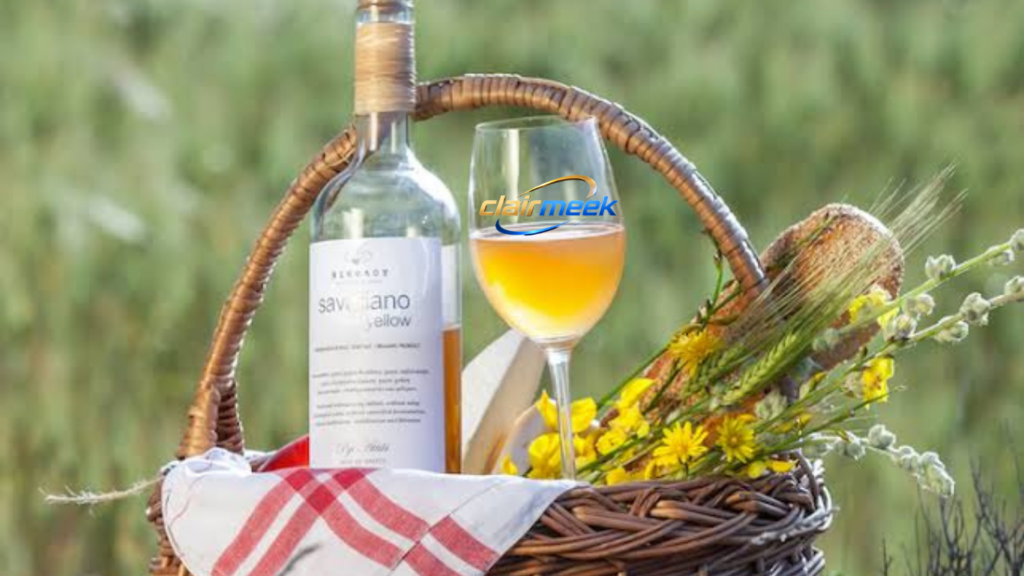
Orange wines vary widely according to grape, maceration length and vessel. Typical aromas and flavours include dried apricot, orange peel, walnut, tea, honey, bruised apple, herbs and stone fruit. Texture ranges from lightly grippy to firmly tannic; body is usually fuller than conventional whites. Many benefit from serving cooler than red but warmer than fridge-cold white—around 12–16°C—to show structure and aroma.
They pair exceptionally well with food that challenges ordinary whites: spiced dishes, roasted vegetables, aged cheeses, rich fish, charcuterie and even lighter red-meat preparations. The tannin and phenolic grip cut through fat and spice in ways pale whites cannot. Public discussion focuses on these practical strengths rather than celebrity associations or personal drama; the wines themselves are the story.
Current Landscape and Activities
Today orange wine appears on restaurant lists, independent merchant shelves and, increasingly, larger retailers. Georgia continues traditional qvevri production while expanding exports. Friuli and Slovenian producers remain influential benchmarks. New regions experiment: English growers have released skin-contact Bacchus, Ortega and other varieties; Bordeaux estates explore the style amid shifting consumer preferences. Global market estimates place orange wine as a growing, if still niche, segment driven by curiosity and demand for distinctive, food-friendly bottles.
Producers emphasise vineyard health, indigenous yeasts and respectful handling. Some focus on accessibility with shorter skin contact; others pursue long macerations for age-worthy complexity. Charity or advocacy links are limited; the principal “activity” is the quiet continuation and refinement of an ancient craft by individual estates and a growing international network of importers and drinkers.
Quick Bio
| Detail | Information |
| Full Name | Orange wine (also skin-contact white, amber wine) |
| Date of Origin | Circa 6000 BC (Georgia) |
| Place of Origin | Caucasus region (modern Georgia) |
| “Nationality” | International; strongest historic ties to Georgia, Friuli-Venezia Giulia and Slovenia |
| Style / Profession | Skin-fermented white wine |
| Years in Modern Spotlight | Early 2000s–present |
| Known For | Amber colour, tannin, texture, food versatility |
| Estimated Market Scale | Growing niche; global value estimates in the low billions of dollars with projected expansion |
Legacy and Lasting Impact
Orange wine matters because it reconnects modern drinkers with pre-industrial techniques that prioritised the whole grape. It expanded the vocabulary of white wine beyond freshness and fruit, proving that tannin and structure can enhance rather than detract from white varieties. Its influence appears in the wider natural-wine movement, the revival of amphora and qvevri, and a more adventurous attitude among both producers and consumers.
Public perception has shifted from curiosity or scepticism toward measured respect. The best examples demonstrate that tradition and quality can coexist with contemporary palate preferences. Lessons include the value of patience in winemaking, the importance of place and vessel, and the rewards of questioning dominant commercial styles.
Conclusion
Orange wine’s journey from buried clay vessels in ancient Georgia to contemporary wine lists illustrates how old methods can find new relevance. It remains a small but distinctive part of the wine world—capable of complexity, gastronomic usefulness and quiet surprise. Whether chosen for its history, its texture or simply its colour in the glass, it rewards attention.