
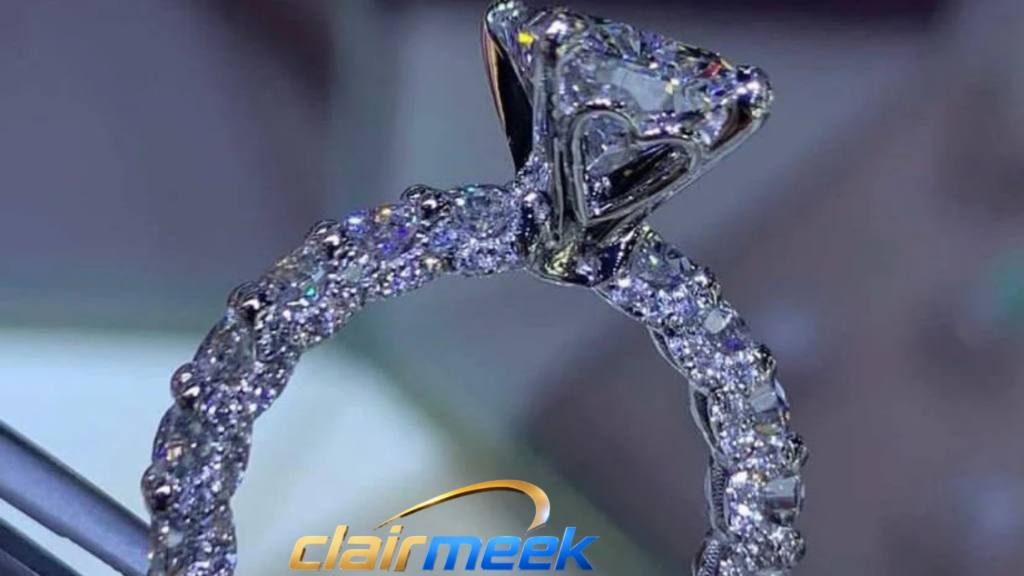

In an era where couples seek meaningful symbols of commitment that align with their values, the moissanite engagement ring has emerged as a compelling choice. Offering exceptional brilliance at a fraction of the cost of traditional diamonds, these rings combine stunning aesthetics with ethical and practical advantages. Far from a fleeting trend, moissanite represents a thoughtful evolution in how we celebrate love.
What draws so many to a moissanite engagement ring is its ability to deliver fire and sparkle that often rivals or even surpasses that of diamonds, all while being kinder to the planet and the wallet. As awareness of sustainable jewellery grows, more couples are discovering this gemstone as a beautiful alternative that doesn’t compromise on elegance or durability.
The Discovery and Origins of Moissanite
Moissanite’s story begins not in a jewellery workshop, but in the Arizona desert. In 1893, French chemist Dr Henri Moissan discovered tiny crystals of silicon carbide in a meteorite crater. Initially mistaking them for diamonds, he later identified the material, which was named moissanite in his honour.
Natural moissanite is exceptionally rare, with gem-quality stones virtually non-existent in nature. Modern moissanite used in jewellery is lab-created, replicating the crystal structure through advanced processes. This controlled creation ensures consistent quality, clarity, and ethical sourcing—key factors that appeal to today’s conscious consumers.
The transition from scientific curiosity to jewellery staple took time. Commercial production of gem-quality moissanite began in the late 1990s, pioneered by companies like Charles & Colvard. Since then, it has gained steady popularity as an accessible yet luxurious option for engagement rings.
The Rise in Popularity of Moissanite Engagement Rings
The moissanite engagement ring’s ascent mirrors broader shifts in consumer preferences. As couples prioritise ethics, affordability, and individuality over tradition, moissanite has moved from niche alternative to mainstream favourite.
Its refractive index of 2.65–2.69 surpasses diamond’s 2.42, producing more intense “fire”—those colourful flashes of light that make the stone dazzle. Many find this rainbow sparkle particularly captivating in various lighting conditions.
Durability is another strong suit. Ranking 9.25 on the Mohs hardness scale, moissanite is second only to diamond (10) and well-suited for everyday wear. It resists scratching effectively and maintains its brilliance over time, making it a practical choice for an engagement ring meant to be worn lifelong.
Affordability further fuels its appeal. A high-quality moissanite stone can cost up to 90% less than a comparable diamond, allowing couples to invest in larger carat weights, intricate settings, or other wedding elements without financial strain.
Comparing Moissanite and Diamond: A Balanced Perspective
When considering a moissanite engagement ring versus a diamond one, understanding the differences helps inform the decision. Both stones are beautiful, but they offer distinct experiences.
Moissanite excels in brilliance and fire, often appearing more vibrant. Diamonds provide a more subdued, white sparkle that many associate with classic elegance. Moissanite is lighter in weight, which can influence ring design, and some stones may exhibit slight colour tinting under certain lights, though top-grade colourless options minimise this.
In terms of value retention, diamonds—particularly natural ones—have traditionally held better resale potential, though this varies. Moissanite’s primary value lies in its immediate beauty and accessibility rather than investment potential.
Ethical considerations favour moissanite and lab-grown diamonds alike, as both avoid the environmental and human costs sometimes linked to mined stones. Ultimately, the choice depends on personal priorities: fiery sparkle and budget flexibility point toward moissanite, while traditional prestige may lean toward diamond.
Styling and Choosing the Perfect Moissanite Engagement Ring
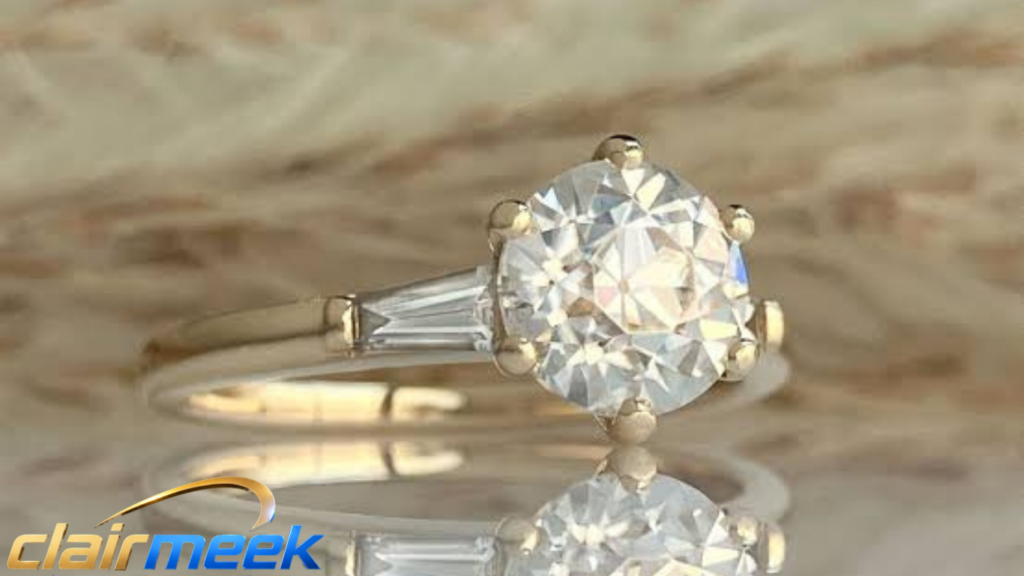
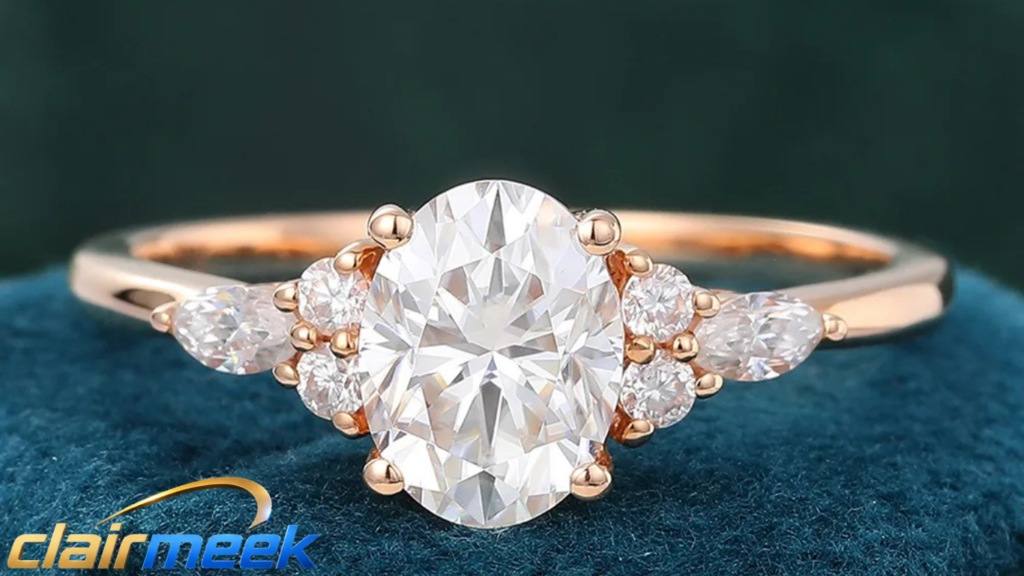
Moissanite’s versatility shines in countless settings. Classic solitaires highlight the stone’s brilliance, while halo designs amplify its sparkle. Rose gold, yellow gold, platinum, or white gold bands complement its fire, and shapes from round to oval, emerald, or pear cuts offer something for every taste.
When shopping, focus on quality grading for colour, clarity, and cut. Reputable sellers provide certifications and allow returns for peace of mind. In the UK, many jewellers now offer custom moissanite designs, enabling couples to create truly unique pieces.
Maintenance is straightforward—regular cleaning with mild soap and water keeps the stone radiant. Its hardness means it stands up well to daily life, though avoiding harsh chemicals remains advisable for the metal setting.
Personal Stories and Cultural Shift
Many couples choosing moissanite engagement rings speak of the freedom it provides. One partner might prioritise a larger stone symbolising their grand love, while another values the ethical peace of mind. These rings often become conversation starters, challenging outdated notions about what makes a ring “real” or worthy.
Public figures and influencers have helped normalise the choice, showcasing moissanite’s beauty across social media. The result is a broader acceptance that an engagement ring’s worth lies in its emotional significance, not solely its price tag or origin story.
Quick Facts About Moissanite Engagement Rings
| Detail | Information |
| Chemical Composition | Silicon Carbide (SiC) |
| Hardness (Mohs Scale) | 9.25 |
| Refractive Index | 2.65–2.69 |
| Origin | Lab-created (naturally from meteorites) |
| Key Advantage | Exceptional fire and affordability |
| Popular For | Ethical, budget-friendly engagement rings |
| Lifespan | Decades with proper care |
The Lasting Impact of Choosing Moissanite
The moissanite engagement ring reflects a modern understanding of luxury—one rooted in intention, sustainability, and personal meaning rather than convention alone. It challenges the diamond monopoly while honouring the tradition of celebrating love with a beautiful, enduring symbol.
Conclusion
Its influence extends beyond individual choices, encouraging the jewellery industry to innovate and offer more transparent, accessible options. As environmental awareness grows, moissanite stands as proof that beauty and responsibility can coexist beautifully.
In embracing moissanite, couples affirm that their commitment is defined by their values and vision for the future, not by societal expectations. This gemstone’s journey from a meteorite discovery to a symbol of contemporary romance underscores the power of innovation in matters of the heart.