
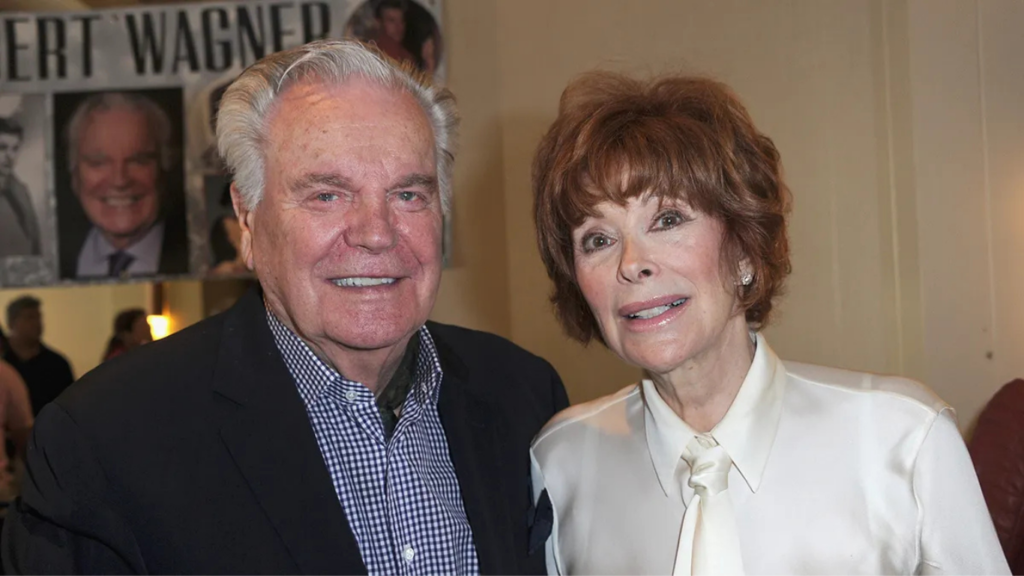

Robert Wagner remains one of Hollywood’s most enduring figures, a suave leading man whose career has spanned over seven decades. Known affectionately as RJ, the star of iconic television series like It Takes a Thief and Hart to Hart continues to captivate audiences with his charm, resilience, and timeless presence. Even in his mid-90s, Wagner’s story resonates with fans who grew up watching him on screen and new generations discovering his work through classic films and reruns.
As of 2026, Robert Wagner today embodies the grace of a bygone Hollywood era while embracing modern connections through social media and occasional interviews. His active Instagram account shares glimpses of family life, birthday celebrations, and reflections on his remarkable journey. Fans remain fascinated by his longevity, his storied relationships, and the enduring mystery surrounding the 1981 death of his wife Natalie Wood. Yet, above all, it is Wagner’s professionalism, warmth, and ability to reinvent himself that keep him relevant.
Early Life and Background
Robert John Wagner Jr. was born on 10 February 1930 in Detroit, Michigan, into a family that offered both stability and opportunity. His father, Robert John Wagner Sr., worked as a travelling salesman for the Ford Motor Company, while his mother, Thelma Hazel Alvera, was a former telephone operator. The family moved to the upscale Bel Air neighbourhood of Los Angeles when Wagner was around seven years old, placing him in the heart of the entertainment industry.
Growing up near the Bel-Air Country Club, young RJ caddied for Hollywood luminaries such as Clark Gable, Cary Grant, and Fred Astaire. These experiences sparked his interest in acting. He held various jobs while nurturing his dream, and a chance encounter with a talent scout at a Beverly Hills restaurant led to his first opportunities. Wagner signed with 20th Century Fox as a teenager, embarking on a path that would define his life.
His early interests leaned towards performance, influenced by the stars he met on the golf course. Though formal education details are limited in public records, his real schooling came on studio lots, where he learned the craft under the old Hollywood studio system.

Career and Rise to Fame
Robert Wagner’s career began in the early 1950s with uncredited roles, quickly progressing to more prominent parts. His breakthrough came with a memorable small role as a shell-shocked soldier in With a Song in My Heart (1952), which drew attention from studio executives and stars alike. Spencer Tracy was particularly impressed, casting Wagner as his son in Broken Lance (1954) and later as his brother in The Mountain (1956).
Wagner starred in adventure films like Prince Valiant (1954) and Beneath the 12-Mile Reef (1953), establishing himself as a handsome leading man. Notable 1950s and 1960s films include A Kiss Before Dying (1956), The Pink Panther (1963), Harper (1966), and The Towering Inferno (1974). His transition to television proved highly successful. He starred as the charming cat burglar Alexander Mundy in It Takes a Thief (1968–1970), earning an Emmy nomination, followed by Switch (1975–1978) and the beloved Hart to Hart (1979–1984) alongside Stefanie Powers.
Later, Wagner delighted new audiences as Dr Evil’s henchman Number 2 in the Austin Powers trilogy (1997–2002). He also had recurring roles on Two and a Half Men and NCIS as Anthony DiNozzo Sr., appearing as recently as the late 2010s. His work earned five Golden Globe nominations and one Emmy nomination, cementing his status as a versatile performer across film and television.
Personal Challenges or Turning Points
Wagner’s life has not been without profound challenges. The 1981 drowning of his wife Natalie Wood while aboard their yacht Splendour near Catalina Island remains a deeply painful chapter. The incident was ruled accidental at the time, but renewed investigations in later years named Wagner a person of interest in 2018. He has consistently denied any involvement, and public information confirms no charges were ever filed. Wagner has spoken of the tragedy’s lasting impact on him and his family.
Career setbacks included periods when big-screen stardom eluded him in the late 1950s and early 1960s, prompting a successful pivot to television. Personal losses, including the deaths of close family members, tested his resilience. Through it all, Wagner has demonstrated remarkable fortitude, continuing to work and maintain connections with fans and loved ones.
Personal Life
Robert Wagner has been married three times. His first marriage to Natalie Wood (1957–1962) produced no biological children together, though Wood’s daughter from another relationship, Natasha Gregson Wagner, considers him a father figure. They remarried in 1972 and welcomed daughter Courtney in 1974. Tragically, Wood died in 1981.
Between marriages, Wagner wed actress Marion Marshall in 1963; they divorced in 1971 and had daughter Katie. In 1990, he married actress Jill St. John, a union that has endured for over 35 years. The couple, who first met as young contract players at Fox, celebrated their 36th anniversary in 2026. They reside primarily in Aspen, Colorado, enjoying a quieter life.
Wagner is a proud father and grandfather. His family includes daughters Katie, Courtney, and Natasha, as well as grandchildren Riley and Clover. Public statements emphasise his deep love for family, often shared through warm social media posts.
Later Career and Current Activities
In recent years, Robert Wagner has focused on selective appearances and sharing his legacy. He has given interviews reflecting on eight decades in Hollywood, including a notable 2026 conversation with Kevin Goetz discussing the studio system and his experiences. He maintains an active presence on Instagram (@robertwagnerofficial), where he posts birthday messages, holiday greetings, and family moments, connecting directly with fans.
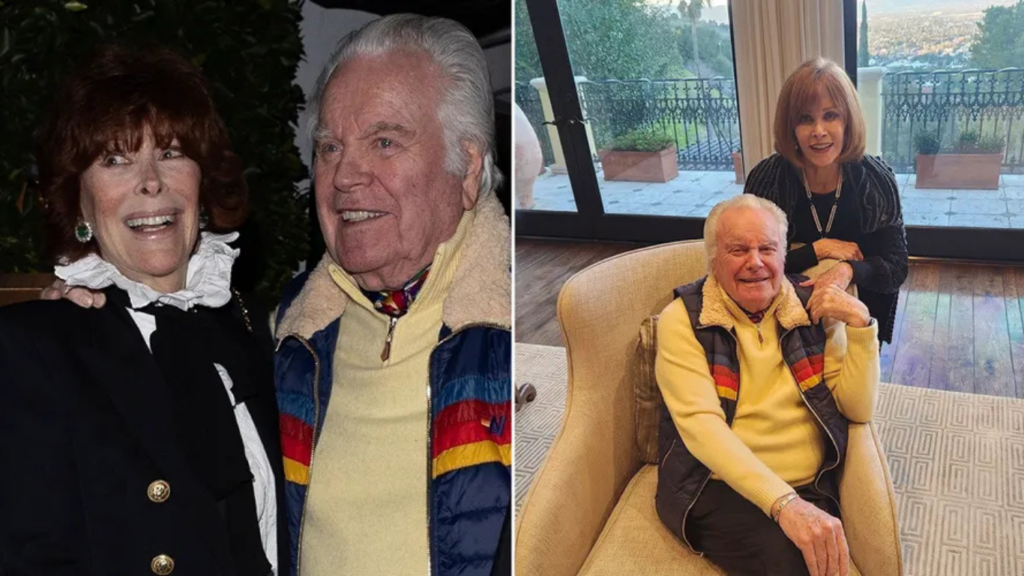
Wagner has participated in stage tours of Love Letters with Stefanie Powers and Jill St. John, often for charity. While he stepped back from regular acting, his influence endures through reruns, streaming, and tributes. At 95 and 96, he has shared videos exercising and celebrating milestones with family and friends, projecting vitality and gratitude.
Quick Bio
| Detail | Information |
| Full Name | Robert John Wagner Jr. |
| Date of Birth | 10 February 1930 |
| Place of Birth | Detroit, Michigan, USA |
| Nationality | American |
| Profession | Actor |
| Years Active | 1950–present |
| Known For | It Takes a Thief, Hart to Hart, Austin Powers films, The Pink Panther |
| Estimated Net Worth | Approximately $20 million (combined with wife Jill St. John) |
Legacy and Lasting Impact
Robert Wagner’s legacy lies in his embodiment of classic Hollywood elegance combined with adaptability. He thrived in the studio system, excelled in television, and appealed to new audiences through comedy. His roles often portrayed sophisticated, charming men, influencing perceptions of the leading man archetype.
Beyond entertainment, Wagner’s life offers lessons in resilience, reinvention, and the importance of family. He remains a symbol of enduring stardom, with public perception highlighting his professionalism and warmth. His contributions to film and television continue to entertain, while his personal journey underscores the complexities behind the glamour.
Conclusion
Robert Wagner today stands as a testament to a life fully lived in the spotlight. From his Detroit roots to Hollywood icon status and a peaceful life in Aspen, his story is one of talent, perseverance, and grace. At 96, he continues to inspire with his ongoing connection to fans and pride in his family.