

Michael Kors purses have become synonymous with accessible luxury, blending effortless American sportswear chic with sophisticated functionality. For decades, the brand’s handbags have graced the arms of celebrities, influencers, and everyday fashion enthusiasts alike, offering pieces that transition seamlessly from day to night.
What keeps audiences captivated by Michael Kors purses is their enduring appeal: practical yet glamorous designs that embody jet-set confidence without pretension. From signature logo styles to sleek leather totes, these accessories represent more than just fashion—they reflect a design philosophy rooted in real life and lasting quality.

Early Life and Background
Michael David Kors was born Karl Anderson Jr. on 9 August 1959 on Long Island, New York. His mother, Joan Hamburger, a former model, and his biological father, Karl Anderson Sr., of Swedish descent, separated when he was young. At age five, following his mother’s remarriage to businessman Bill Kors, the young Karl chose a new name—Michael David Kors—along with his stepfather’s surname.
Raised in Merrick, New York, Kors grew up immersed in fashion. His mother’s modelling background and the family’s appreciation for style left a strong impression. Famously, at just five years old, he redesigned his mother’s wedding dress by suggesting she remove the bows. As a teenager, he began designing clothes and selling them from his parents’ basement, which he playfully renamed the Iron Butterfly.
Kors attended John F. Kennedy High School in Bellmore and briefly studied at the Fashion Institute of Technology in New York City before leaving after a short time to pursue hands-on experience. He worked at Lothar’s, a boutique near Bergdorf Goodman, progressing from salesperson to designer and visual display head. This early retail immersion proved formative, teaching him about customer desires and commercial viability.
Career and Rise to Fame
Michael Kors launched his eponymous women’s label in 1981 at Bergdorf Goodman with an 18-piece collection of white crepe de chine dresses and streamlined leather separates. His focus on luxurious yet wearable sportswear quickly gained traction.
The brand expanded thoughtfully. In the 1990s, challenges arose, including a Chapter 11 filing in 1993 due to licensing issues, but Kors demonstrated resilience by rebuilding. He relaunched lines and, in 1997, took on the role of creative director at Celine, where he revitalised the French house with successful accessories and ready-to-wear collections.
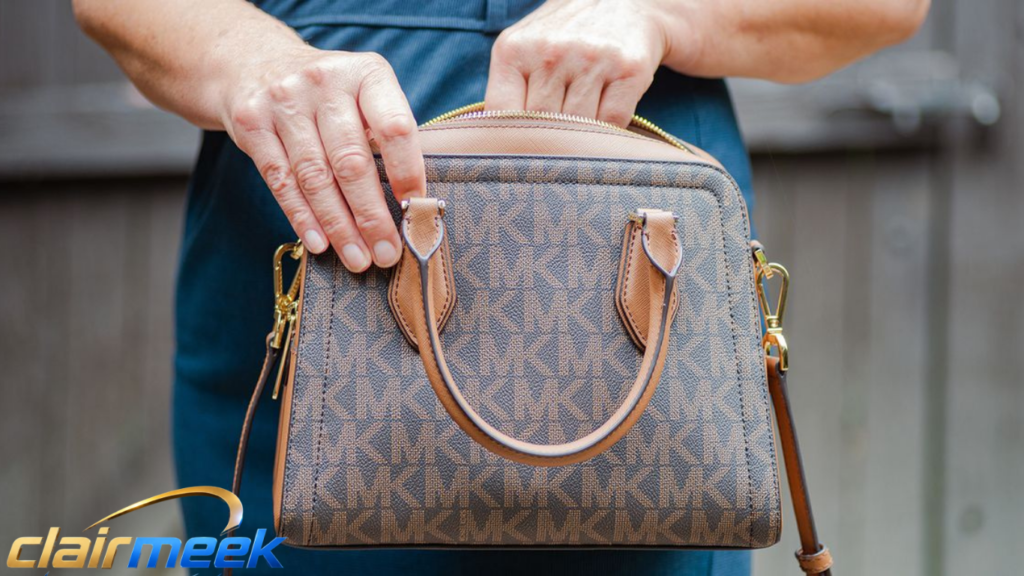
Michael Kors purses gained prominence during this era. The introduction of the MICHAEL Michael Kors diffusion line in 2004 brought more accessible handbags to a broader audience, featuring practical totes, crossbodies, and signature logo pieces that balanced style and everyday utility. His 2002 menswear launch and ongoing accessory focus solidified the brand’s reputation for versatile, jet-set glamour.
Recognition followed. Kors received the CFDA Womenswear Designer of the Year award in 1999 and Menswear Designer of the Year in 2003. In 2010, he became the youngest recipient of the CFDA Geoffrey Beene Lifetime Achievement Award. More recently, in 2024, he earned the CFDA Positive Change Award for his philanthropy.
Personal Challenges or Turning Points
Like many in the competitive fashion industry, Kors faced setbacks. The early 1990s bankruptcy forced a temporary pause on certain lines, testing his determination. However, these challenges refined his business approach, emphasising sustainable growth and direct oversight of his brand.
His return to focusing solely on the Michael Kors label after leaving Celine in 2003 marked a significant turning point. This period allowed him to expand globally while maintaining creative control, leading to the brand’s public offering and eventual evolution under Capri Holdings (formerly Michael Kors Holdings).
Personal Life
Michael Kors married his longtime partner, Lance Le Pere, on 16 August 2011 in Southampton, New York, shortly after same-sex marriage became legal in the state. Le Pere serves as vice president of women’s design at the brand. The couple maintains a relatively private life focused on their shared passion for design and home.
Kors has spoken publicly about the importance of family and the supportive environment in which he was raised, though he keeps most personal details out of the spotlight.
Later Career and Current Activities
Today, Michael Kors remains chief creative officer of his brand under Capri Holdings, which also includes Jimmy Choo. The company continues to innovate with new handbag collections while honouring its heritage of sophisticated, user-friendly designs. Recent offerings feature structured shoulder bags, sleek crossbodies, and versatile totes that appeal to modern consumers.
Kors actively supports charitable causes, including initiatives fighting hunger, supporting the LGBTQ+ community, and health organisations such as the American Heart Association. His “Kors Loves” efforts encompass mentorship, resale programmes, and broader advocacy.
Public appearances, runway shows, and seasonal collections keep the brand vibrant, with Michael Kors purses remaining a cornerstone of the label’s identity.
Quick Bio
| Detail | Information |
| Full Name | Michael David Kors (born Karl Anderson Jr.) |
| Date of Birth | 9 August 1959 |
| Place of Birth | Long Island, New York, USA |
| Nationality | American |
| Profession | Fashion designer |
| Years Active | 1981–present |
| Known For | Michael Kors purses, ready-to-wear, accessories |
| Estimated Net Worth | Approximately $400–600 million (varies by source) |
Legacy and Lasting Impact
Michael Kors purses endure because they solve real needs—offering durability, style, and versatility that transcend trends. His influence on American fashion lies in democratising luxury: making high-quality accessories attainable without compromising on elegance. The brand’s global reach has shaped how women (and men) approach everyday dressing with confidence.
Kors’ journey from a precocious child designer to a fashion industry leader offers lessons in perseverance, customer focus, and creative authenticity. His work continues to inspire new generations of designers and consumers who value practicality paired with glamour.
Conclusion
From humble beginnings on Long Island to building a global fashion empire, Michael Kors has crafted a legacy defined by thoughtful design and resilience. His purses, in particular, capture the essence of his vision: pieces that empower wearers to live stylishly on their own terms.