
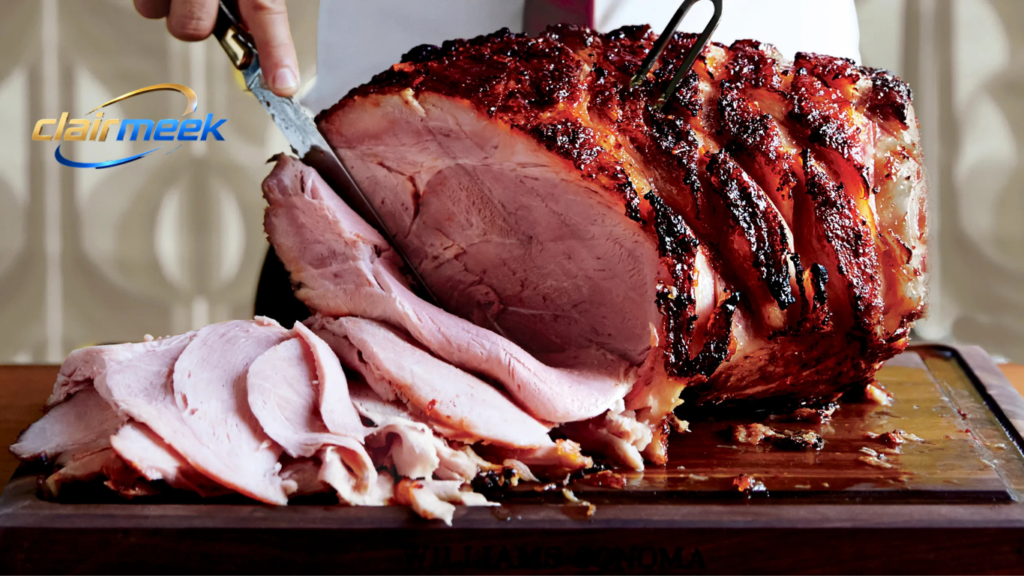

A pre-cooked ham is one of the most reliable centrepieces for a family gathering, Sunday roast or festive meal. Already fully cooked during processing, it mainly needs gentle reheating so the meat stays moist and the flavours develop. Knowing how long to cook a pre-cooked ham removes the guesswork and helps avoid the two common pitfalls: drying it out or serving it lukewarm.
Most supermarket hams labelled “ready to eat”, “fully cooked” or “cook from frozen” fall into this category. They can be enjoyed cold in sandwiches, yet many people prefer them warmed through with a sticky glaze. The exact timing depends on the weight, whether the joint is bone-in or boneless, spiral-cut or whole, and the method you choose. This guide sets out clear, practical timings based on widely accepted food-safety recommendations, converted for UK kitchens using Celsius and metric measures.
Understanding Pre-Cooked Ham
Pre-cooked ham (sometimes called city ham) has already been cured, smoked or baked to a safe internal temperature before it reaches the shop. In contrast, gammon is the uncooked cured leg that still needs thorough cooking. Always check the packaging: if it says “ready to eat” or “fully cooked”, you are reheating rather than cooking from raw.
Because the meat is already safe to eat, the goal is to bring the centre to around 60°C (140°F). Going much higher risks drying the outer layers. A digital probe thermometer is the most reliable way to confirm doneness. Insert it into the thickest part, avoiding the bone.
Bone-in joints tend to stay juicier and take slightly longer; boneless and spiral-cut versions heat more evenly and more quickly. Vacuum-packed or canned hams usually need the least time of all.
How Long to Cook a Pre-Cooked Ham in the Oven
The oven remains the most popular method for an impressive whole or half ham. Preheat to 160–165°C (325°F, gas mark 3). Place the ham cut-side down or fat-side up in a roasting tin. Add a splash of water, apple juice or stock to the base of the tin to create gentle steam. Cover loosely with foil for most of the cooking time so the surface does not dry out.
Approximate timings at 160–165°C:
- Whole bone-in ham (4.5–6.5 kg / 10–14 lb): 15–18 minutes per 450 g (1 lb)
- Half bone-in ham (2.3–3.2 kg / 5–7 lb): 18–24 minutes per 450 g
- Spiral-cut whole or half (3–4 kg / 7–9 lb): 10–18 minutes per 450 g
- Boneless vacuum-packed (2.7–5.5 kg / 6–12 lb): 10–15 minutes per 450 g
- Canned or smaller boneless joints: 15–20 minutes per 450 g
As a rough guide, a 4 kg pre-cooked ham will need roughly 1 hour 20 minutes to 2 hours. Always start checking the internal temperature 20–30 minutes before the calculated end time. Once the centre reaches 60°C, remove the foil, brush on a glaze if using, and return to a hotter oven (190–200°C) for 15–20 minutes to caramelise the surface.
Allow the ham to rest, still loosely covered, for 10–15 minutes before carving. Resting lets the juices redistribute and makes slicing cleaner.
Alternative Methods for Reheating Pre-Cooked Ham
Slow cooker
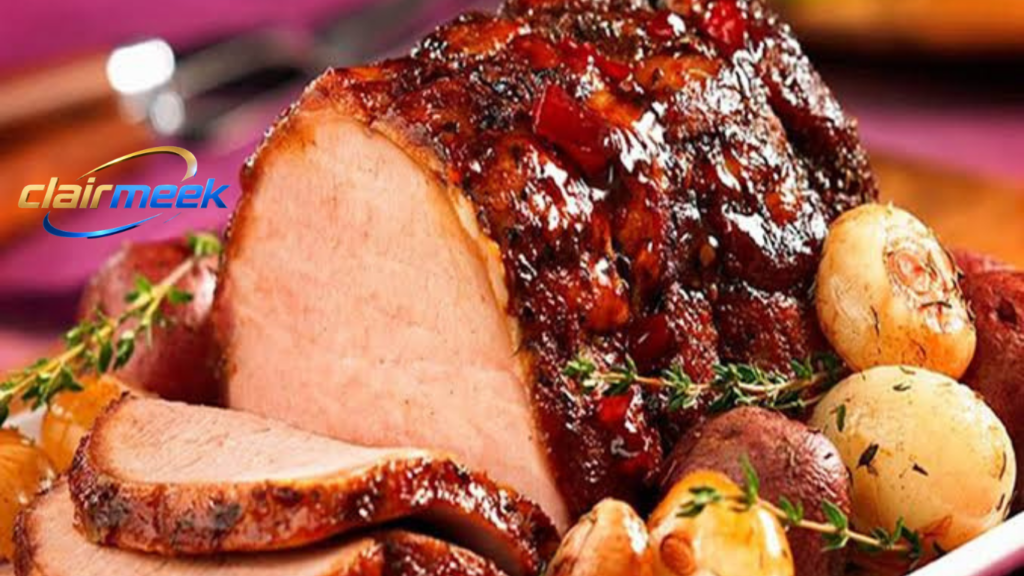
A slow cooker works well for smaller boneless joints or when oven space is limited. Place the ham in the pot with a little liquid (water, cider or stock), cover and cook on low for 4–6 hours or until the internal temperature hits 60°C. Larger joints may need the full 6–8 hours. Finish under a hot grill or in a hot oven with glaze for colour and stickiness if desired.
Microwave
For leftover slices or a small portion, the microwave is convenient. Arrange slices in a single layer, cover with a damp paper towel or microwave-safe lid, and heat on medium power in short bursts, turning halfway. Aim for even warming rather than high heat that can toughen the meat. This method is best for serving rather than for a whole joint.
Air fryer or grill
Smaller boneless pieces or individual slices can be reheated in an air fryer at around 160°C for 8–12 minutes, checking frequently. Grilling works for glazed slices but needs close attention to prevent burning the sugar in any glaze.
Whatever the method, the key principle stays the same: heat gently and stop once the safe serving temperature is reached.
Preparing and Glazing Your Ham
Remove the ham from the fridge 30–60 minutes before cooking so it is not fridge-cold. Score the fat in a diamond pattern if it is not already spiral-cut; this helps the glaze stick and creates an attractive finish. Stud with cloves if you like the classic look.
Popular glazes combine sweetness and acidity: honey and mustard, brown sugar with orange juice, maple syrup and mustard, or marmalade with a splash of vinegar. Brush half the glaze on for the final 20–30 minutes of cooking and baste once or twice more. Keep an eye on the colour; sugar burns easily, so tent with foil if the surface darkens too quickly.
For a traditional British touch, many cooks simmer the ham briefly in water with onion, carrot, bay leaf and peppercorns before the oven stage. This step is optional with modern pre-cooked joints but can reduce saltiness and add subtle flavour. Drain well, pat dry, then proceed with roasting and glazing.
Tips for Juicy Results and Food Safety
- Weigh the joint accurately and calculate time from the lowest end of the range, then check early.
- Keep the ham covered for most of the reheating period. Uncover only for the final glaze.
- Use a meat thermometer. Colour alone is not a reliable indicator.
- Leftover ham keeps for 3–4 days in the fridge once cooled. Wrap tightly or store in an airtight container. It freezes well for up to two months.
- Reheat leftovers only once and ensure they reach steaming hot throughout.
- If the packaging gives specific instructions, follow those first; manufacturers test their own products.
Spiral-cut hams dry out more readily because of the exposed surfaces, so they benefit from extra foil protection and a slightly lower temperature or shorter time.
Common Questions About Cooking Pre-Cooked Ham
Can I serve it cold?
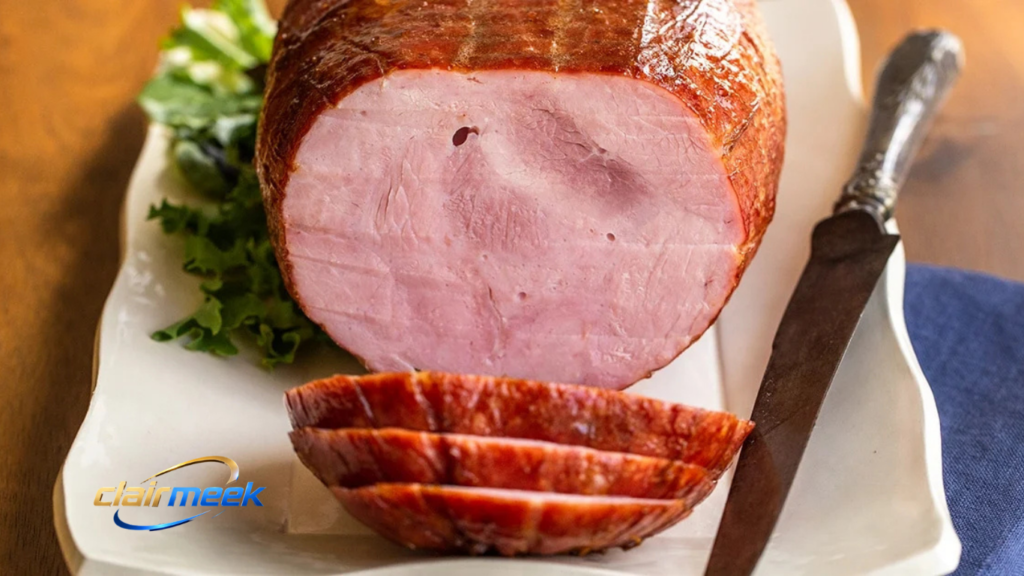
Yes. Fully cooked ham is safe to eat straight from the packet once opened and refrigerated properly. Many people prefer it warmed, especially for a main meal.
What if my ham is frozen?
Thaw it completely in the fridge (allow 24 hours for every 2–2.5 kg) before reheating. Cooking from frozen is possible but extends the time considerably and risks uneven heating; it is better avoided for large joints.
Bone-in versus boneless?
Bone-in usually tastes richer and stays moister. Boneless is easier to carve and heats a little faster.
How much ham do I need?
Allow roughly 150–200 g per person for a bone-in joint (accounting for the bone) or 120–150 g for boneless, depending on appetites and side dishes.
Conclusion
Mastering how long to cook a pre-cooked ham turns a simple supermarket joint into a reliable, impressive dish. Whether you choose a classic oven roast with a sticky honey-mustard glaze, a hands-off slow-cooker version, or a quick reheat of leftovers, the principles remain consistent: moderate heat, moisture protection, and a target internal temperature of about 60°C.