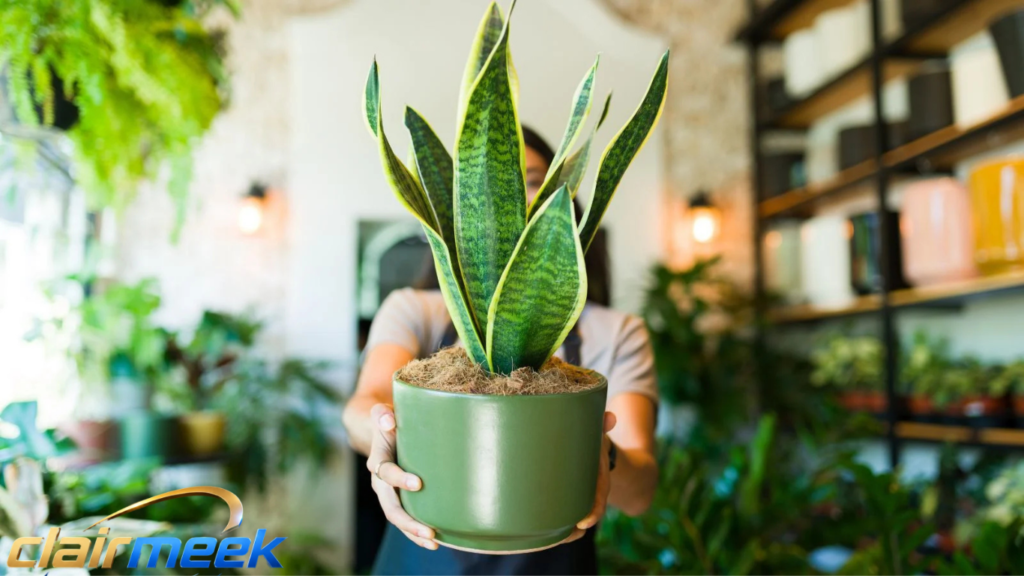

Snake plants, also known as Sansevieria or by their modern botanical name Dracaena trifasciata, rank among the most resilient and popular houseplants worldwide. Their striking upright leaves, air-purifying qualities, and ability to tolerate neglect make them favourites for beginners and seasoned plant enthusiasts alike. Yet one factor often determines their long-term success more than any other: the right snake plant soil.
Getting the soil mix correct helps prevent the most common killer of these succulents—root rot from overwatering—while supporting their slow but steady growth. In this comprehensive guide, we explore everything you need to know about snake plant soil, from its ideal composition to practical repotting tips and troubleshooting common issues. Whether you’re nurturing your first snake plant or refreshing an established collection, understanding its soil needs will set you up for years of healthy, architectural foliage.
Why Snake Plant Soil Matters
Snake plants originate from the rocky, arid regions of West Africa, where they have adapted to thrive in well-draining, nutrient-sparse conditions. In the wild, their roots experience infrequent rainfall followed by rapid drying. Replicating this environment indoors is essential.
The wrong soil—typically heavy, peat-rich potting mixes that retain too much moisture—leads to soggy roots, fungal issues, and eventual decline. A suitable snake plant soil mix promotes aeration, quick drainage, and just enough moisture retention to keep the plant happy without risk. It also maintains a slightly acidic to neutral pH (ideally 5.5–7.5), allowing efficient nutrient uptake.
Ideal Characteristics of Snake Plant Soil
The best soil for snake plants is lightweight, porous, and gritty. Key traits include:
- Excellent drainage: Water should pass through within seconds to minutes, preventing waterlogging.
- Good aeration: Roots need oxygen; compacted soil suffocates them.
- Moderate nutrient content: Too rich a mix can encourage weak, leggy growth.
- pH balance: Slightly acidic to neutral supports overall health.
Commercial cactus or succulent mixes often work well as a base, but many enthusiasts prefer custom blends for optimal results.
Best DIY Snake Plant Soil Mix Recipes
Creating your own snake plant soil is straightforward and cost-effective. Here are proven recipes:
Basic Well-Draining Mix (recommended for most growers):
- 2 parts standard houseplant potting soil
- 1 part perlite or pumice
- 1 part coarse sand or horticultural grit
Enhanced Succulent Mix:
- 1 part cactus/succulent potting mix
- 1 part perlite
- ½ part orchid bark or coco coir (for slight moisture retention)
- A handful of worm castings or compost for gentle nutrients
Ultra-Drainage Mix (for very humid environments or beginners prone to overwatering):
- 50% perlite/pumice
- 30% potting soil
- 20% coarse sand or lava rock
Always mix thoroughly and test drainage by watering a small sample in a pot. Adjust ratios based on your climate—drier homes may benefit from a touch more organic matter, while humid ones need extra aeration.
Avoid heavy garden soil, pure peat moss, or vermiculite-heavy mixes, as these retain excessive moisture.
Repotting Your Snake Plant: When and How
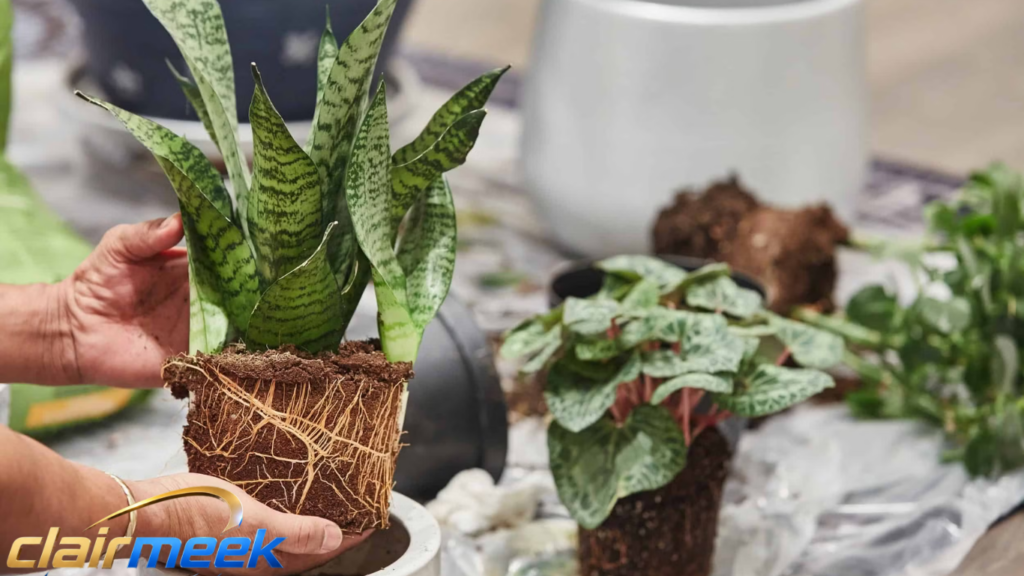
Snake plants are slow growers and generally appreciate being slightly root-bound, so repot every 2–3 years or when roots emerge from drainage holes or the plant becomes unstable.
Steps for successful repotting:
- Choose a terracotta or ceramic pot with ample drainage holes—only 1–2 sizes larger than the current one.
- Gently remove the plant and shake off old soil. Inspect and trim any mushy roots.
- Add a layer of your prepared snake plant soil at the base.
- Position the plant at the same depth as before (do not bury the base of the leaves).
- Fill around the roots with fresh mix, firming lightly.
- Water sparingly after repotting and place in bright, indirect light.
Repotting in spring or early summer aligns with the plant’s active growing season.
Watering and Ongoing Soil Care
Even the best snake plant soil cannot compensate for poor watering habits. Allow the top 5–7 cm (2–3 inches) of soil to dry out completely between waterings—often every 2–4 weeks, depending on light and temperature. In winter, reduce further.
Signs of issues related to soil and watering:
- Yellowing or mushy leaves: Usually overwatering or poor drainage.
- Brown tips: Underwatering or low humidity (less critical for snake plants).
- Wilting despite moist soil: Root rot—unpot and address immediately.
- Soil that smells sour: Indicates anaerobic conditions and potential fungal growth.
To maintain soil health, top-dress annually with a thin layer of fresh mix or worm castings rather than full repotting every year.
Common Mistakes with Snake Plant Soil
Many new owners underestimate the importance of drainage. Using standard potting compost straight from the bag is a frequent error, as is choosing pots without holes or failing to empty saucers. Over-fertilising can also disrupt soil balance, leading to salt build-up.
In humid UK homes or during cooler months, err on the side of drier conditions. Snake plants are far more forgiving of underwatering than overwatering.
Benefits of the Right Soil Beyond Survival
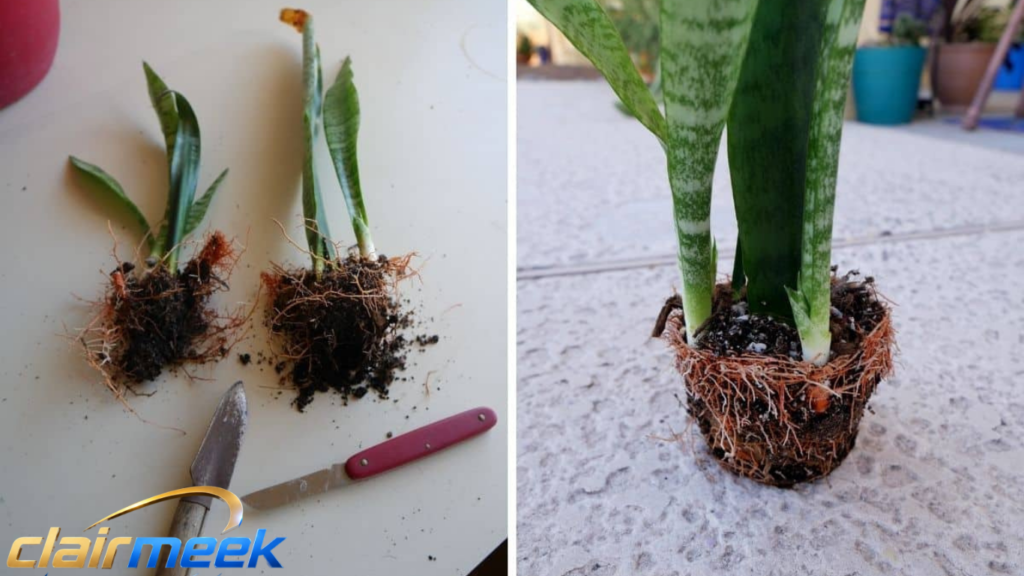
Proper snake plant soil does more than prevent problems. It supports the plant’s renowned air-purifying abilities (filtering toxins like formaldehyde and benzene), encourages pup production for easy propagation, and keeps the dramatic leaf patterns vibrant. Healthy specimens can live for decades, becoming striking focal points in any interior.
Choosing Commercial Snake Plant Soil Mixes
If DIY mixing isn’t for you, look for specialised succulent or cactus soils labelled for good drainage. Some brands now offer biochar-enhanced or peat-free options, which align well with snake plant needs while being more sustainable. Check reviews for real-user drainage performance before purchasing.
Snake Plant Varieties and Soil Considerations
Most varieties, from the classic green trifasciata to variegated ‘Laurentii’ or compact ‘Hahnii’, share similar soil preferences. Taller cultivars may benefit from slightly heavier mixes for stability, while dwarf types thrive in extra-gritty blends. Cylinder snake plants (Dracaena angolensis) also appreciate fast-draining conditions.
Troubleshooting Soil-Related Problems
If your snake plant shows distress, start with the soil. Unpot carefully to examine roots and refresh the mix if it appears compacted or smells off. For minor issues, improving light and adjusting watering frequency often resolves problems quickly.
Quick Facts on Snake Plant Soil
| Detail | Information |
| Ideal pH | 5.5–7.5 (slightly acidic to neutral) |
| Drainage Requirement | Very fast; water should drain in seconds |
| Best Base Mix | Cactus/succulent or custom perlite blend |
| Repotting Frequency | Every 2–3 years or when root-bound |
| Common Issue | Root rot from poor drainage/overwatering |
| Key Additives | Perlite, pumice, coarse sand, grit |
Conclusion
Snake plants have surged in popularity not just for their toughness but for their sculptural beauty and low-maintenance reputation. Mastering snake plant soil is the foundation of that reputation, transforming a potentially finicky houseplant into a reliable, long-lived companion.
By providing the well-draining, airy environment these African natives crave, you’ll enjoy robust growth, occasional fragrant blooms (rare indoors), and the satisfaction of a thriving indoor garden.