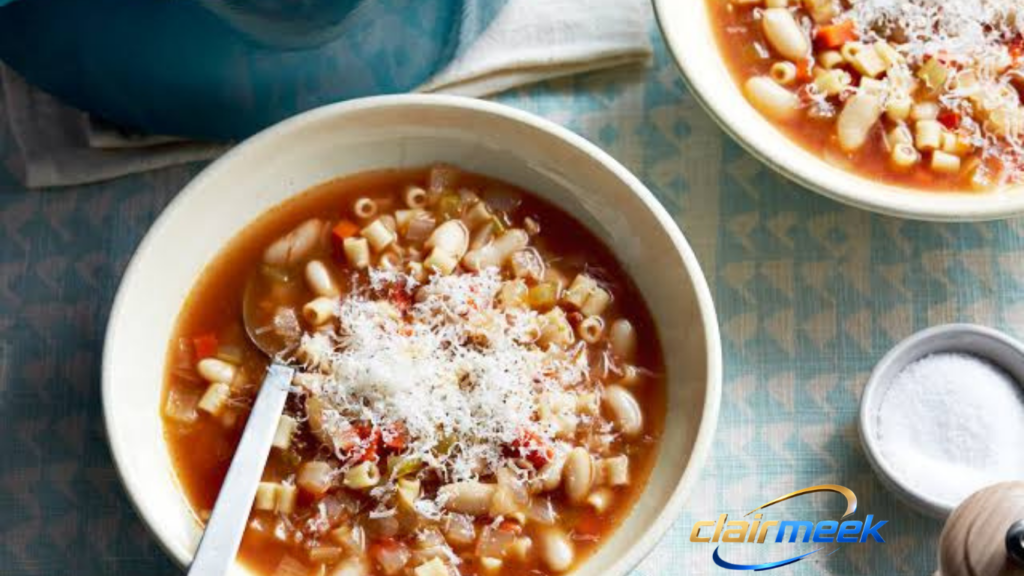

Few dishes capture the soul of Italian home cooking quite like the traditional Italian pasta fagioli recipe. Also known as pasta e fagioli, this comforting combination of pasta and beans has nourished generations of families across the Italian peninsula. What began as a thrifty peasant meal has become a beloved staple, celebrated for its simplicity, depth of flavour and remarkable ability to adapt to local tastes.
Readers remain drawn to this dish because it offers something rare in modern cooking: genuine substance without pretension. A bowl of pasta fagioli delivers warmth, protein and satisfaction in equal measure. Whether prepared as a thick, almost stew-like potage or a lighter soup, it rewards patience and respect for good ingredients. In an age of elaborate recipes, its enduring appeal lies in how little it asks while giving so much in return.
Origins and Early Development
The roots of pasta e fagioli stretch back centuries, though its precise birthplace remains uncertain. Legumes featured heavily in the diets of ancient Romans, who combined pulses with grains or early forms of pasta-like doughs. Broad beans and other Old World legumes formed the backbone of many rustic preparations long before the arrival of New World beans.
The common bean (Phaseolus vulgaris), including the familiar borlotti and cannellini varieties, reached Europe after the late fifteenth century. These creamier, more versatile beans quickly took root in Italian soil and transformed peasant cooking. By the medieval and early modern periods, combining pasta with beans had become a practical way for rural families to create filling, protein-rich meals using ingredients they could grow or afford. Meat was a luxury; beans earned the nickname “the meat of the poor.”
No single region can claim exclusive ownership. Campania, Lazio, Tuscany, Veneto, Emilia-Romagna and others all developed distinctive versions. In many households the dish used leftover pasta scraps mixed with whatever beans were available, cooked slowly with a simple soffritto of onion, celery and carrot, often enriched with a little pork fat, pancetta or rind when possible. The result was nutritious, economical and deeply satisfying.
Regional Variations and Culinary Evolution
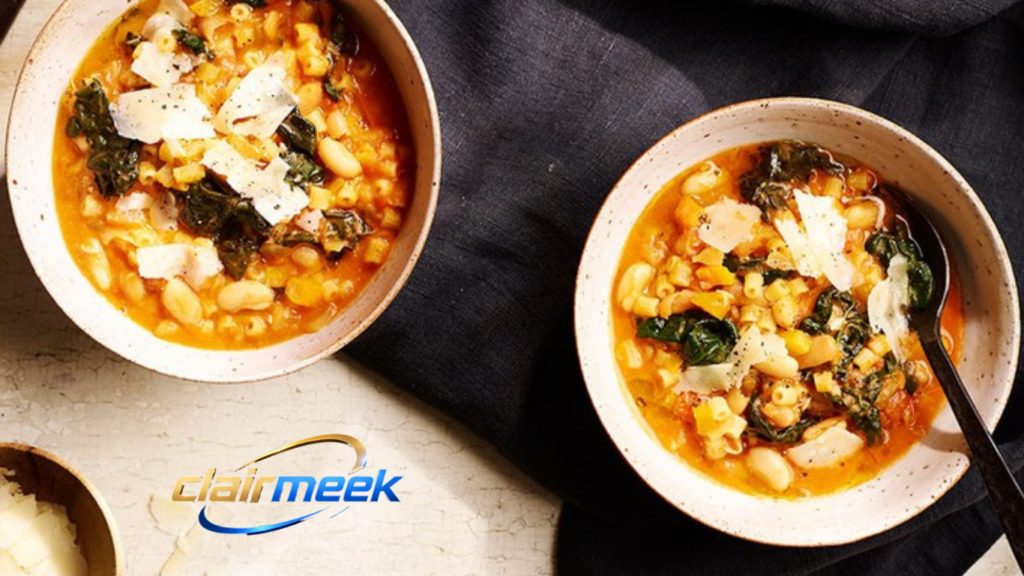
The traditional Italian pasta fagioli recipe is defined by variation rather than rigid rules. In Campania, particularly around Naples, the pasta is often cooked directly in the bean mixture. This method releases starch that creates a notably creamy, “azzeccosa” consistency. Many Neapolitans prefer the dish the following day, reheated and even richer.
In Lazio the preparation frequently features fresh sagne, short tagliatelle-like ribbons of flour-and-water pasta, simmered with cannellini beans, celery, garlic and rosemary, sometimes with a touch of guanciale. Veneto versions tend toward a thicker consistency, often using borlotti beans and enriched with pork elements such as cotenna or speck, reflecting the autumn pig-slaughtering season. Tuscan interpretations lean on cannellini beans and may incorporate a modest amount of tomato, while some northern recipes favour egg pasta such as maltagliati.
Across Italy the choice of beans, pasta shape (ditalini, tubetti, broken spaghetti or mixed scraps), presence or absence of tomato, and use of meat or purely vegetable flavourings all shift from kitchen to kitchen. What unites them is the principle of making the most of humble ingredients and allowing slow cooking to develop depth.
Preparing a Traditional Version at Home
A classic home-style pasta e fagioli begins with quality dried borlotti or cannellini beans. Soak them overnight, then simmer gently with a bay leaf until tender, reserving the cooking liquid. Meanwhile, prepare a soffritto: finely diced onion, carrot and celery softened slowly in olive oil, often with a little pancetta, lardo or prosciutto for savouriness. Garlic and rosemary or sage are common aromatic additions.
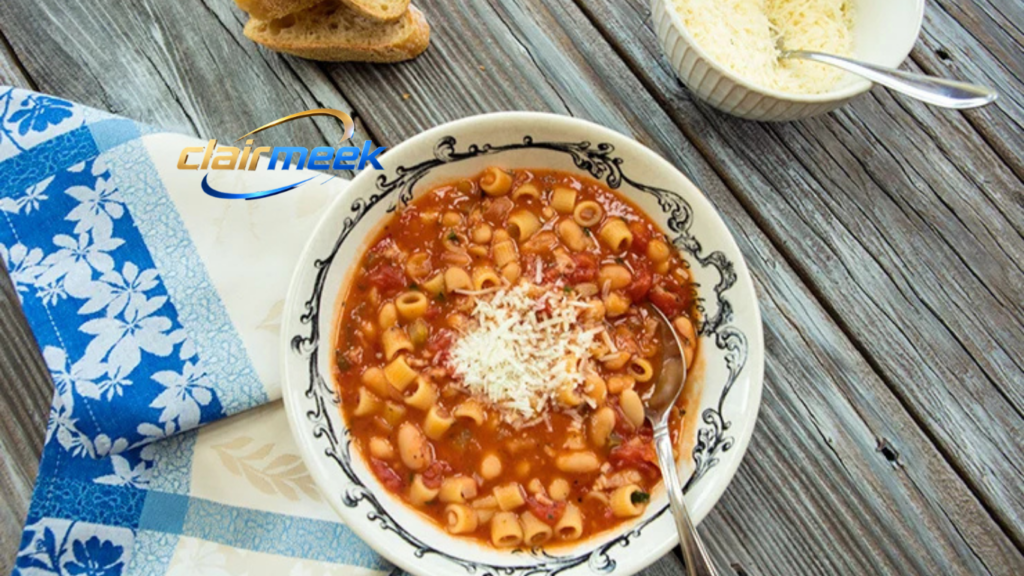
Add the drained beans and some of their cooking water or a light broth, along with a modest amount of tomato passata if desired. Simmer until the flavours marry. Many cooks mash or blend a portion of the beans to thicken the base naturally. Short pasta is then added and cooked in the mixture, absorbing the surrounding liquid and contributing its own starch. Season carefully with salt and black pepper. A final drizzle of good extra-virgin olive oil and a grating of Parmigiano-Reggiano complete the dish for those who include dairy.
The texture can range from soupy to dense enough to stand a spoon. The beauty of the traditional Italian pasta fagioli recipe is its flexibility: adjust liquid, pasta quantity and cooking time to suit preference. Leftovers improve overnight as the flavours continue to meld.
Nutritional Value and Everyday Appeal
Beyond taste, pasta e fagioli offers genuine nourishment. Beans supply plant protein and fibre; pasta provides sustained energy; the vegetables and olive oil contribute vitamins, minerals and healthy fats. It is filling without being heavy when prepared thoughtfully, and it suits both meat-inclusive and vegetarian tables depending on the version chosen.
In Italian culture the dish occupies a special place as comfort food that bridges seasons and generations. It appears on family tables in colder months yet remains welcome year-round. Its rise from necessity to celebrated classic mirrors broader shifts in how Italians, and the wider world, value traditional cucina povera.
Quick Bio
| Detail | Information |
| Full Name | Pasta e fagioli (pasta and beans) |
| Origin | Italy (multiple regions) |
| Primary Ingredients | Beans (borlotti or cannellini), short pasta, soffritto |
| Category | Primo / hearty soup or stew |
| Historical Roots | Ancient pulses + post-1492 New World beans |
| Key Characteristic | Regional variations; humble yet nourishing |
| Modern Status | Popular comfort food worldwide |
| Typical Season | Autumn and winter, though year-round |
Lasting Place in Italian Cooking
The traditional Italian pasta fagioli recipe endures because it embodies core values of Italian food culture: resourcefulness, respect for ingredients and the pleasure of shared meals. It demonstrates how limited means can produce memorable results. Chefs have elevated it in restaurants, yet its true home remains the domestic kitchen, where each cook adjusts proportions according to taste and what is at hand.
Its influence appears in Italian-American adaptations (often called pasta fazool) and in the continued popularity of bean-and-pasta combinations internationally. More importantly, it reminds us that some of the most satisfying cooking arises not from complexity but from patience and good fundamentals.
Conclusion
From its uncertain ancient beginnings through centuries of regional refinement, the traditional Italian pasta fagioli recipe has remained a quiet constant on Italian tables. It asks for little beyond time and care, yet rewards the cook with a dish that is both sustaining and deeply flavoured. Whether thick and creamy in the Neapolitan style or more brothy in other interpretations, it continues to offer comfort and connection.