
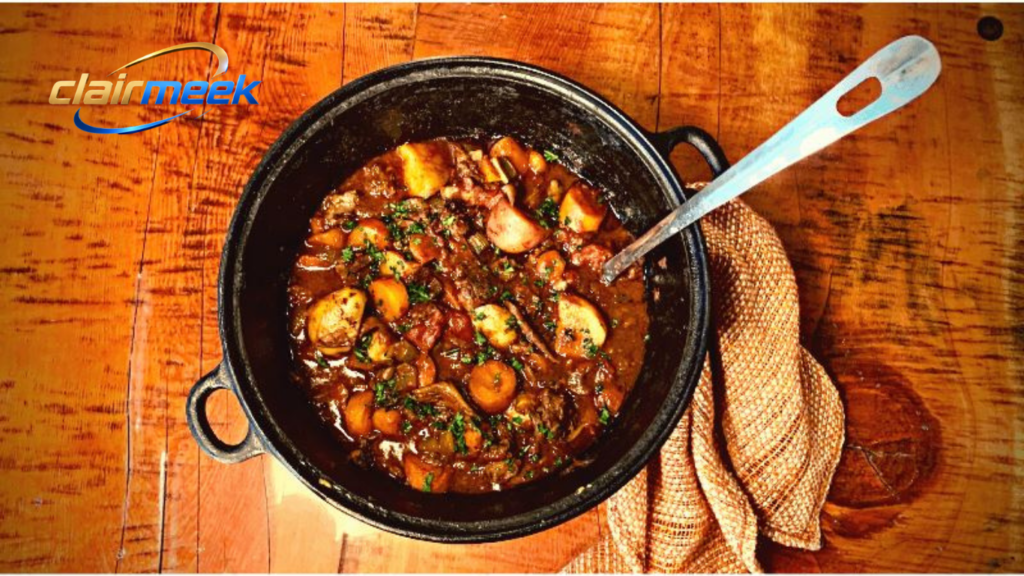

There is something deeply satisfying about a proper beef stew. The rich gravy, tender chunks of meat and soft vegetables create the kind of meal that feels like a warm embrace on a cold evening. When cooked in a Dutch oven, the results are even better. A well-made beef stew recipe Dutch oven style delivers deep flavour, fall-apart meat and a sauce that clings perfectly to every spoonful.
This classic dish has been a staple in British and European kitchens for generations. The heavy cast-iron pot with its tight-fitting lid traps moisture and heat, allowing the stew to simmer gently for hours without drying out. The result is a meal that tastes as though it has been tended all day, even if you only spent a short time preparing it. Whether you are cooking for a Sunday family lunch or batch-cooking for the week ahead, a Dutch oven beef stew is reliable, forgiving and endlessly comforting.
In this guide you will find a carefully tested beef stew recipe Dutch oven method that prioritises flavour and texture. From choosing the right cut of beef to building layers of taste and finishing the dish just right, every step is designed to help you create a stew worth repeating.
Why a Dutch Oven Makes the Best Beef Stew
A Dutch oven is ideal for stews because of its excellent heat retention and even cooking. Once the pot is hot, it stays hot, which means the meat browns properly and the liquid simmers at a steady temperature. The heavy lid keeps steam inside, so the meat stays moist while the collagen slowly breaks down into gelatin. That gelatin is what gives a good stew its silky, full-bodied sauce.
Unlike a slow cooker, a Dutch oven allows you to sear the meat and cook the vegetables on the hob first. This extra step builds flavour that you simply cannot achieve by tipping everything into a pot and walking away. You can also finish the stew in the oven if you prefer, which frees up hob space and gives an even more consistent result.
Many home cooks discover that once they master a beef stew recipe Dutch oven style, they rarely return to other methods. The depth of flavour and the texture of the meat are hard to match.
Choosing the Right Ingredients
The quality of your ingredients makes a noticeable difference. For the beef, choose a cut with good marbling and connective tissue. Chuck steak, braising steak or shin work particularly well. These cheaper cuts become meltingly tender after long, slow cooking and contribute rich flavour to the gravy. Avoid lean stewing steak if possible, as it can turn dry and stringy.
Vegetables should be sturdy enough to hold their shape. Carrots, onions, celery and potatoes are traditional. Parsnips or swede can be added for extra sweetness and earthiness. Fresh thyme, bay leaves and a little rosemary provide classic herbal notes. A good beef stock forms the backbone of the sauce; homemade is ideal, but a high-quality shop-bought version works well too. A splash of red wine or ale adds depth, while a spoonful of tomato purée and Worcestershire sauce round out the savoury notes.
Seasoning is simple but important. Salt the meat generously before browning, and taste the finished stew carefully. A final adjustment of salt, pepper and perhaps a touch of balsamic vinegar or mustard can lift the whole dish.
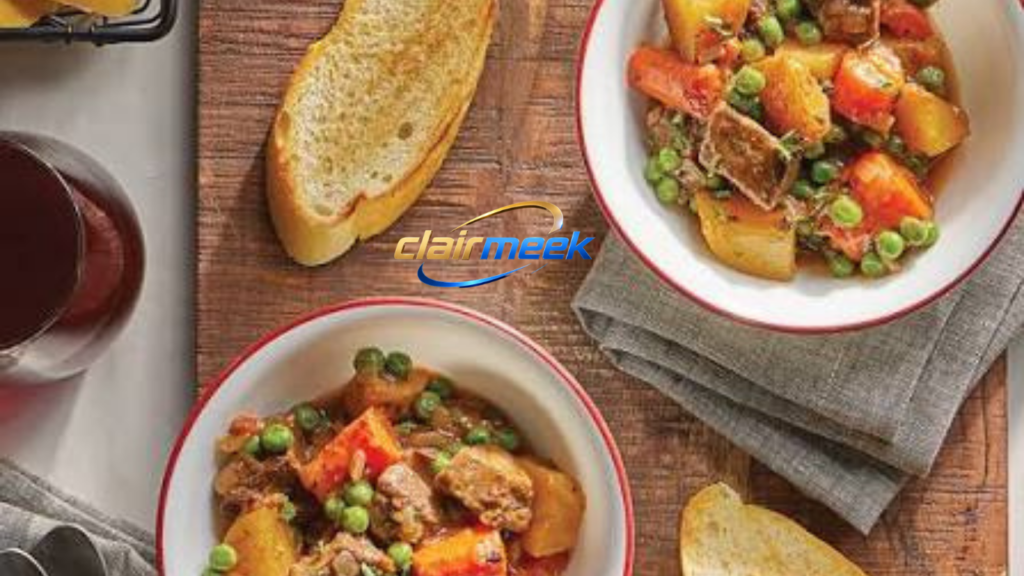
Classic Beef Stew Recipe Dutch Oven
This recipe serves six generously and takes around three hours from start to finish, most of it hands-off simmering time.
Method
- Pat the beef dry with kitchen paper. Season generously with salt and pepper, then toss in the flour so each piece is lightly coated. Shake off any excess.
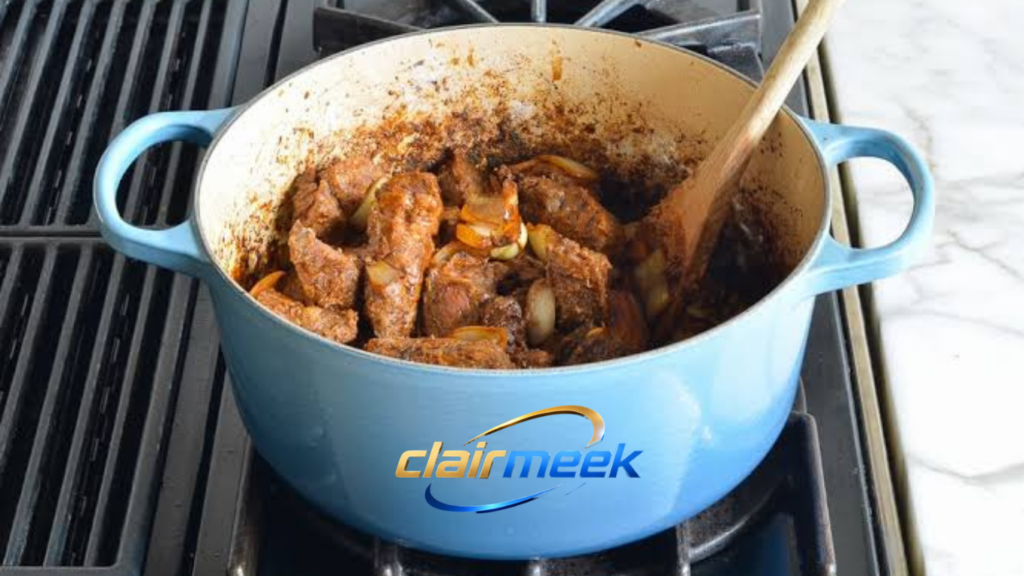
- Heat two tablespoons of oil in a large Dutch oven over medium-high heat. Brown the beef in batches, taking care not to overcrowd the pot. Aim for a deep brown crust on at least two sides of each piece. Transfer the browned meat to a plate.
- Lower the heat slightly and add a little more oil if needed. Cook the onions, carrots and celery for 8–10 minutes until they begin to soften and take on some colour. Stir in the garlic and tomato purée and cook for another minute.
- Pour in the wine or ale, scraping the bottom of the pot to release any browned bits. Let it bubble for a couple of minutes to reduce slightly.
- Return the beef and any resting juices to the pot. Add the stock, bay leaves, thyme and Worcestershire sauce. The liquid should almost cover the meat; add a splash more stock or water if needed. Bring to a gentle simmer.
- Cover with the lid and transfer to a preheated oven at 160°C (140°C fan) for 2½–3 hours. Alternatively, keep the pot on the hob over the lowest possible heat. Check after two hours and add the potatoes if using. The stew is ready when the beef is very tender and the sauce has thickened slightly.
- Taste and adjust the seasoning. If the sauce is thinner than you like, remove the lid for the final 20–30 minutes of cooking. Stir in peas during the last five minutes if using. Discard the bay leaves and thyme sprigs before serving.
Serve with creamy mashed potatoes, crusty bread or buttered greens. A simple green salad on the side cuts through the richness nicely.
Tips for Perfect Results Every Time
Browning the meat properly is the single most important step. Take your time and do it in batches. The dark fond that forms on the bottom of the pot is pure flavour.
Do not rush the simmering stage. Low and slow is the rule. A fierce boil will toughen the meat and make the sauce cloudy.
If you prefer a thicker gravy, mix a teaspoon of cornflour with a little cold water and stir it in during the last half hour. Alternatively, mash a few of the cooked vegetables into the sauce.
Leftovers improve overnight. Cool the stew completely, then refrigerate. The next day the flavours will have melded further and any excess fat will have solidified on the surface for easy removal. Reheat gently on the hob or in a low oven.
The stew freezes well for up to three months. Portion it into freezer-safe containers, leaving a little room for expansion. Thaw overnight in the fridge before reheating thoroughly.
Variations Worth Trying
Once you have mastered the basic beef stew recipe Dutch oven method, small changes keep it interesting. Replace the red wine with stout for a deeper, maltier flavour. Add a spoonful of Dijon mustard or a grating of dark chocolate at the end for subtle complexity. For a lighter version, use more vegetables and less meat, or include pearl barley for extra heartiness.
In colder months, a handful of dried mushrooms soaked and added with the stock brings an earthy note. For a touch of brightness, finish with a squeeze of lemon juice or a scattering of fresh herbs just before serving.
Some cooks like to add smoked paprika or a pinch of cayenne for gentle warmth. Others prefer the clean flavour of the classic version. Both approaches work well as long as the foundations of good browning and patient cooking remain in place.
Serving Suggestions and Make-Ahead Ideas
A Dutch oven beef stew is ideal for feeding a crowd or preparing ahead. It holds well in a low oven if guests are late, and the flavours only improve with time. Pair it with buttery mash, soft polenta or simply boiled potatoes. For a more substantial meal, serve with dumplings cooked on top of the stew during the final 30 minutes.
If you are cooking for fewer people, the recipe halves easily. It also scales up well for larger gatherings, provided your Dutch oven is big enough. Leftovers can be turned into a pie filling the next day by thickening the sauce a little more and topping with shortcrust or puff pastry.
Quick Reference Guide
| Element | Recommendation |
| Best cut of beef | Chuck, braising steak or shin |
| Ideal cooking vessel | Heavy Dutch oven with tight lid |
| Oven temperature | 160°C (140°C fan) |
| Approximate time | 2½–3 hours simmering |
| Make-ahead | Yes – improves after a night in fridge |
| Freezer friendly | Yes – up to 3 months |
Why This Dish Endures
A good beef stew recipe Dutch oven style is more than a list of ingredients and timings. It is a technique that rewards patience and attention to detail. The transformation of tough, inexpensive meat into something tender and deeply flavoured feels almost alchemical. In an age of quick meals and convenience food, taking the time to brown, simmer and season carefully remains one of the most satisfying things you can do in the kitchen.
The Dutch oven itself has a long history of reliable performance. From farmhouse kitchens to modern apartments, the same heavy pot continues to deliver consistent results. Mastering a classic stew in one is a skill that serves you for years.
Conclusion
A well-executed beef stew recipe Dutch oven method produces a meal that is both comforting and impressive. With good ingredients, careful browning and unhurried cooking, you can create a dish that tastes as though it required far more effort than it actually did. The process is straightforward, the results are reliable, and the leftovers are often better than the first serving.