
Philodendrons have captured the hearts of plant lovers worldwide with their striking foliage, adaptable nature, and ability to bring a touch of the tropics into any home. Whether trailing gracefully from a shelf or standing tall as a statement piece, these versatile houseplants offer something for everyone, from beginners to seasoned collectors.
In this comprehensive look at philodendron types, we delve into the rich diversity within the genus, highlight popular varieties, and share practical insights for growing them successfully. Their enduring appeal lies not just in their beauty but in their resilience and air-purifying qualities, making them a staple in modern interiors.
The Enduring Allure of Philodendrons
The genus Philodendron encompasses hundreds of species and cultivars, native primarily to the tropical regions of the Americas. The name itself, derived from Greek words meaning “love” and “tree,” reflects their natural climbing habit, often using aerial roots to ascend forest canopies.
Today, philodendron types rank among the most sought-after houseplants, thanks to social media trends and a growing interest in biophilic design. Their varied leaf shapes, colours, and textures allow enthusiasts to curate personal jungles indoors.
Origins and Background of Philodendrons
Philodendrons belong to the Araceae family and thrive in the humid understories of Neotropical rainforests.
Their introduction to cultivation dates back centuries, with European explorers bringing specimens home in the 19th century. This sparked interest among botanists and horticulturists, leading to widespread hybridisation and the development of countless cultivars suited for indoor environments.
Popular Philodendron Types and Their Characteristics
One of the best aspects of exploring philodendron types is discovering how each brings its own personality to a space. Here are some standout varieties:
Heartleaf Philodendron (Philodendron hederaceum)
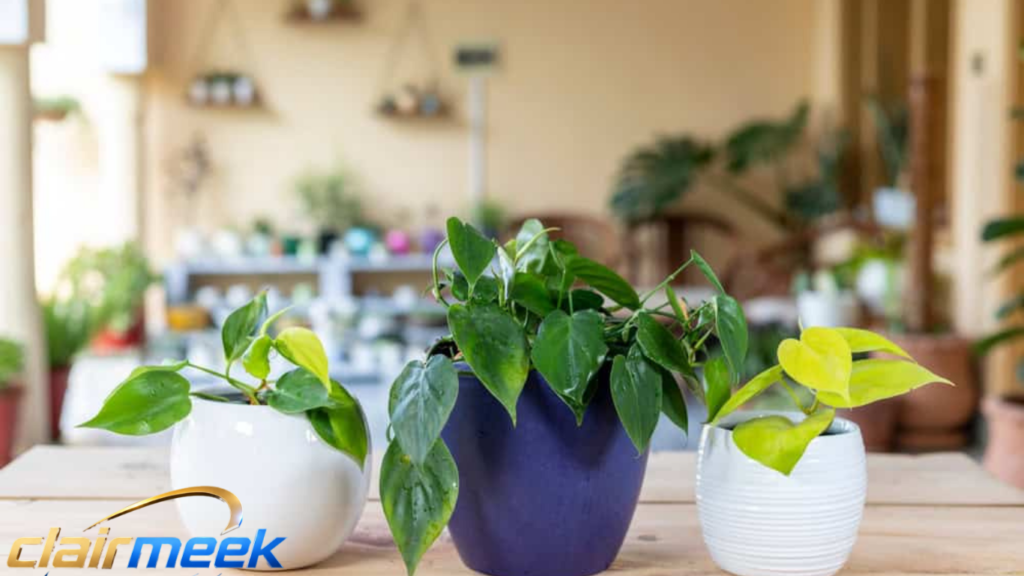
This classic remains one of the most popular and forgiving options. Its small, heart-shaped leaves cascade beautifully in hanging baskets or climb moss poles. Highly adaptable, it tolerates a range of light conditions and neglect, perfect for novices.
Brasil Philodendron (Philodendron hederaceum ‘Brasil’)
A variegated sport of the heartleaf, featuring bold stripes of lime green and yellow against deep green. It adds vibrant contrast and grows vigorously with proper care. Bright, indirect light helps maintain its striking patterns.
Philodendron Micans
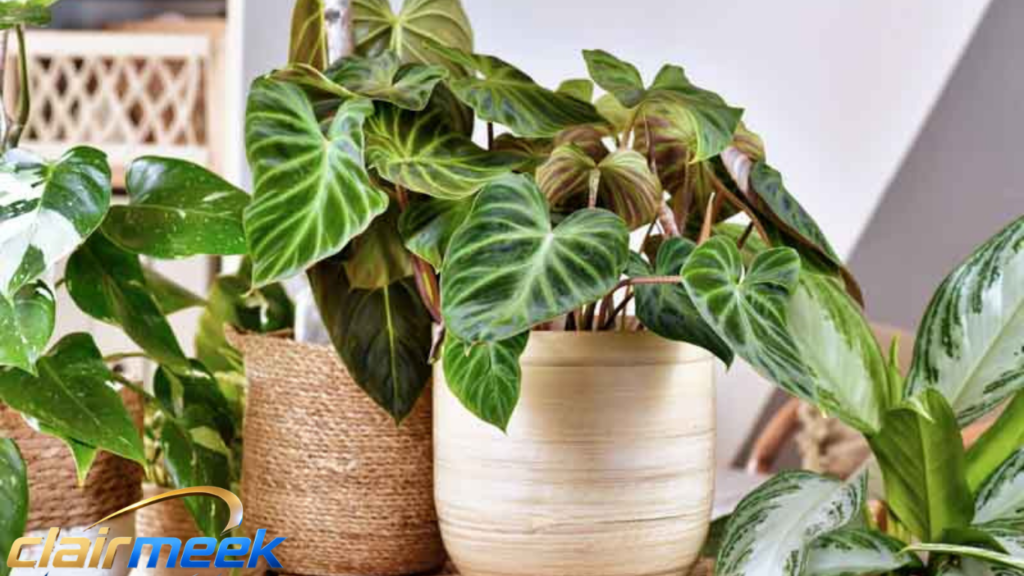
Known for its velvety, iridescent leaves that shimmer with bronze and green hues, this trailing variety offers a luxurious texture. It thrives in medium to bright indirect light and appreciates higher humidity.
Philodendron Birkin
This upright cultivar boasts creamy white pinstripes on dark green leaves, creating a sophisticated look. As a relatively compact plant, it suits tabletops and shelves.
Pink Princess Philodendron
A celebrity favourite, this hybrid features dramatic pink variegation on dark foliage. Highly prized (and sometimes expensive), it requires bright light to encourage the pink hues and stable conditions to prevent reversion.
Philodendron Gloriosum
A creeping variety with large, velvety heart-shaped leaves and prominent white veins.
Philodendron Melanochrysum
Often called Black Gold, this stunning plant develops deep, almost black leaves with golden veins as it matures. It rewards patience with impressive size and presence.
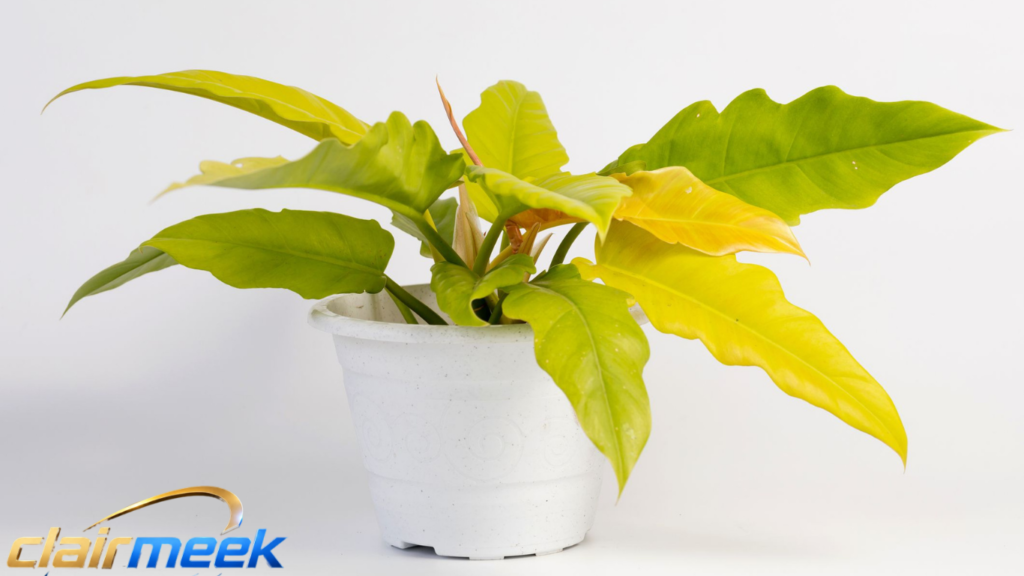
Other notable mentions include the Lemon-Lime for its bright chartreuse foliage, upright types like the Imperial Green or Red Congo for bolder statements, and rarer finds like Philodendron gloriosum hybrids.
Caring for Philodendron Types: Essential Tips
They prefer well-draining, aerated soil mixes—often a blend of potting soil, perlite, and orchid bark to mimic their natural epiphytic roots.
Provide bright, indirect light for optimal growth. Direct sun can scorch leaves, while very low light may lead to leggy stems and smaller foliage. Water when the top inch of soil feels dry, avoiding overwatering which can cause root rot. Higher humidity benefits many varieties, especially those with velvety leaves; misting or a pebble tray helps in drier homes.
Regular pruning encourages bushier growth, and propagation via stem cuttings in water or soil is straightforward for most types.
Challenges and Common Issues
Even resilient philodendrons face occasional hurdles. Yellowing leaves often signal overwatering, while brown tips may indicate low humidity or fluoride sensitivity in tap water. Pests like spider mites or mealybugs can appear, particularly in stressed plants—regular inspection and neem oil treatments usually resolve them.
Variegated philodendron types sometimes revert to solid green; pruning affected stems can help preserve desirable traits. With proper attention, these plants demonstrate remarkable resilience, bouncing back from minor setbacks.
Philodendrons in Modern Homes and Culture
Philodendrons have moved beyond basic greenery to become design staples. Their sculptural forms complement minimalist, bohemian, and jungle aesthetics alike. Many enthusiasts participate in plant swaps and online communities, sharing propagation successes and rare finds.
Quick Facts on Philodendrons
| Detail | Information |
| Scientific Name | Genus Philodendron |
| Origin | Tropical Americas |
| Growth Habit | Climbing, trailing, or upright |
| Number of Species | Approximately 450+ |
| Popular For | Foliage variety, ease of care |
| Toxicity | Mildly toxic to pets and humans |
Lasting Impact and Appeal
Philodendron types continue to influence indoor gardening trends, inspiring hybridisers and collectors to push boundaries with new colours and forms. Their adaptability and beauty remind us of nature’s ingenuity, bringing calming greenery into urban spaces and fostering a connection to the natural world.
From the humble heartleaf to rare treasures like the Melanochrysum, these plants offer endless fascination and reward.
Conclusion
the world of philodendron types is as diverse and welcoming as the plants themselves. Whether you’re just starting your collection or expanding it with rarer specimens, there’s always more to discover and enjoy.