
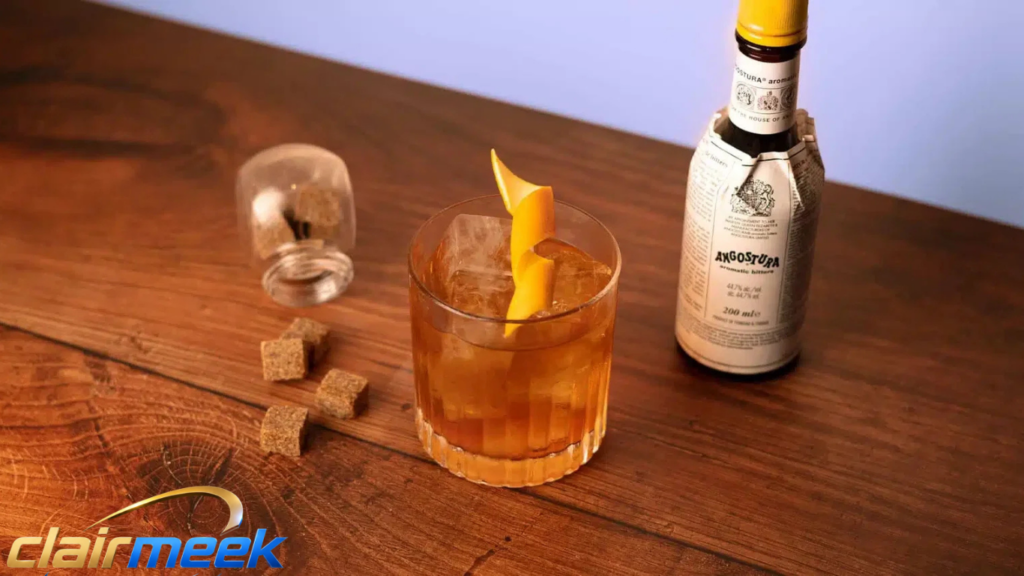

The Old Fashioned stands as one of the most enduring and elegant cocktails in history. Simple yet sophisticated, it captures the essence of classic mixology: a spirit-forward drink balanced by just enough sweetness and aromatic complexity to make each sip memorable. Whether enjoyed in a quiet corner of a historic bar or crafted at home, learning how to make an Old Fashioned connects you to the roots of American cocktail culture.
Its enduring appeal lies in its versatility and restraint. In an age of elaborate, multi-ingredient creations, the Old Fashioned reminds us that perfection often comes from minimalism. This guide explores its rich history, the definitive way to prepare it, expert tips for success, and thoughtful variations, ensuring you can craft a version worthy of its legendary status.
The Origins of the Old Fashioned
The story of the Old Fashioned begins long before it earned its name. In 1806, a New York newspaper defined a “cocktail” as a stimulating liquor composed of spirits, sugar, water, and bitters — the foundational blueprint for what we now recognise as the Old Fashioned.
As the 19th century progressed, bartenders experimented with new liqueurs and elaborate preparations, creating “improved” or “fancy” cocktails. Traditionalists began requesting their drinks made the “old-fashioned” way — simple, unadorned, and true to the original formula. By the late 1880s, recipes explicitly named “Old-Fashioned” appeared in bartender manuals, with one of the earliest published by Theodore Proulx in 1888.
Myths persist, notably the claim that the drink was invented at Louisville’s Pendennis Club for bourbon distiller James E. Pepper, who then introduced it in New York. While the club and Pepper helped popularise a particular style, historical records show the name and concept existed earlier. The Old Fashioned’s DNA traces directly to those early 19th-century whiskey cocktails.
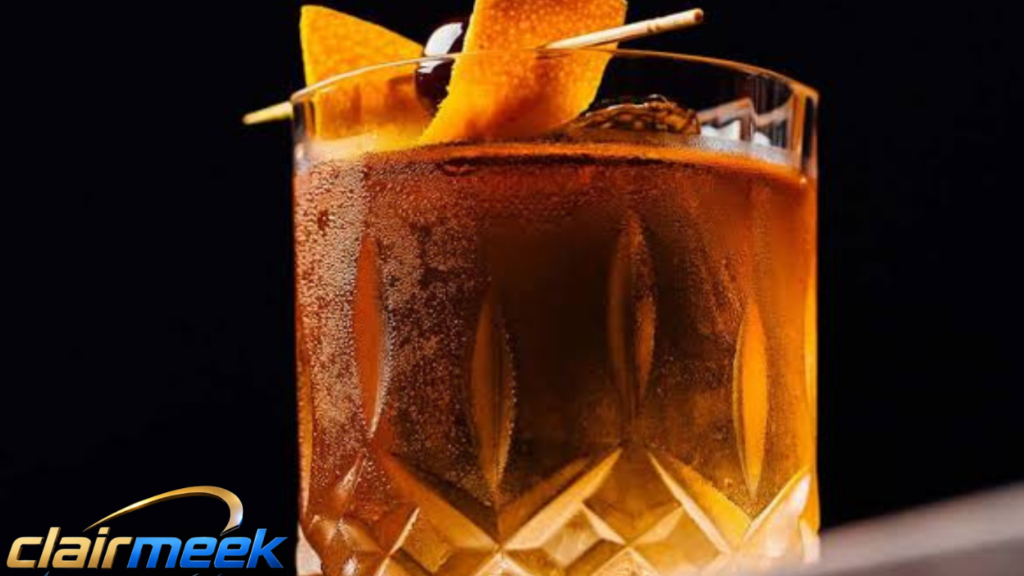
How to Make an Old Fashioned: The Classic Recipe
Mastering how to make an Old Fashioned starts with quality ingredients and respect for balance. The drink should highlight the whiskey, with sweetness and bitters playing supporting roles.
Ingredients (for one cocktail):
- 60 ml (2 oz) bourbon or rye whiskey (90–100 proof preferred for structure)
- 5–7.5 ml (about 1 teaspoon or ¼ oz) rich simple syrup (preferably Demerara 2:1) or 1 sugar cube
- 2–3 dashes Angostura bitters (orange bitters optional for added depth)
- 1 large ice cube or sphere
- Orange peel (essential) and optional Luxardo cherry for garnish
Method:
- If using a sugar cube, place it in a chilled rocks glass (also known as an Old Fashioned glass). Add the bitters and a small splash of water. Muddle gently until the sugar dissolves into a paste.
- Add the whiskey. For a cleaner texture, combine ingredients in a mixing glass first, stir with ice for 20–30 seconds until well-chilled and slightly diluted, then strain over fresh large ice in the serving glass.
- Stir gently in the glass if building directly (about 15–30 seconds) to achieve proper chill and dilution.
- Express the orange peel over the drink by twisting it skin-side down to release its aromatic oils, then drop it into the glass. Add a Luxardo cherry if desired.
The result is a spirit-forward cocktail that is strong but approachable, with the whiskey’s character shining through.
Choosing the Right Ingredients
The choice of whiskey significantly influences the final drink. Bourbon offers a rounder, sweeter profile with notes of vanilla and caramel, making it approachable for many. Rye provides a drier, spicier finish with peppery notes that pair beautifully with the bitters.
For the sweetener, a rich Demerara syrup delivers consistent results and subtle caramel undertones. Sugar cubes evoke tradition but require thorough muddling. Avoid over-sweetening — the goal is balance, not dessert.
Angostura bitters remain the classic choice, contributing aromatic depth without overt bitterness. Some bartenders add a dash of orange bitters for brightness. Use large, clear ice to minimise dilution while keeping the drink cold.
Common Mistakes and Pro Tips
Many home bartenders struggle with how to make an Old Fashioned because small details matter. Over-muddling fruit (a mid-20th-century habit) or using too much sugar can flatten the drink. Stirring adequately is crucial — insufficient dilution leaves it hot and harsh, while excessive stirring makes it watery.
Chill your glass beforehand for better temperature control. Taste as you go, especially when adjusting sweetness. High-quality whiskey elevates the entire experience; you need not use the most expensive bottle, but avoid bottom-shelf options that taste harsh.
Popular Variations on the Classic
Once comfortable with the standard recipe, experimentation opens new dimensions while honouring the structure (spirit, sweetener, bitters, dilution, and citrus).
- Rye Old Fashioned: Drier and spicier — ideal for those who prefer bite over sweetness.
- Smoked Old Fashioned: Briefly smoke the glass with wood chips for a campfire aroma that complements bolder whiskeys.
- Oaxaca Old Fashioned: A modern classic by Phil Ward, swapping in mezcal and agave nectar with mole bitters for smoky, earthy notes.
- Wisconsin Old Fashioned: A regional favourite using brandy, muddled fruit, and sometimes soda — a sweeter, more approachable take.
Sweetener swaps like maple syrup (for autumnal warmth) or honey can create seasonal twists without straying too far from tradition.
The Old Fashioned in Culture and Today
The Old Fashioned has enjoyed multiple revivals. It weathered Prohibition-era improvisations and fruit-laden 1970s–80s versions before the craft cocktail movement restored its minimalist glory in the early 2000s. Today, it appears on nearly every serious cocktail menu and remains a staple for home enthusiasts.
Its simplicity makes it perfect for entertaining, while its depth rewards connoisseurs. It pairs wonderfully with cigars, steak, or quiet reflection at the end of an evening.
Quick Facts
| Detail | Information |
| Full Name | Old Fashioned (or Old-Fashioned Whiskey Cocktail) |
| Date of Origin | Roots in 1806; named in late 1880s |
| Place of Origin | United States (early cocktail culture) |
| Primary Spirit | Bourbon or rye whiskey |
| Years Active | Over 200 years |
| Known For | Simplicity, balance, and timeless appeal |
| Estimated “Net Worth” | Iconic status in global cocktail canon |
Conclusion
The Old Fashioned’s lasting impact stems from its embodiment of restraint and quality. In a world of constant innovation, it proves that foundational techniques and fine ingredients create enduring excellence. It influenced countless cocktails and remains a benchmark for bartenders and enthusiasts alike.